Garrett Pagel can still remember sitting in a hospital room, wondering how everything in his life had changed so quickly. Only months earlier, he felt normal.
Then suddenly, he was dealing with constant digestive problems, doctor visits, tests, medications, and conversations about what the “rest of his life” was supposedly going to look like.
Now, years later, Garrett is part of a growing movement pushing for a different kind of healthcare conversation.
As the Election Strategy Director for the MAHA movement and co-founder of The Vital Choice Project, he spends much of his time talking about nutrition, preventative care, chronic illness, and why younger generations are becoming more skeptical of the traditional medical system.
But during his conversation with Sam Tejada, CEO and Founder of Liquivida® on “A Healthy Point of View” podcast, the focus was less about politics and more about personal experience.
And honestly, that is what made the conversation stand out. Garrett was not speaking like someone trying to sell a trend. He sounded like someone who got tired of feeling sick.
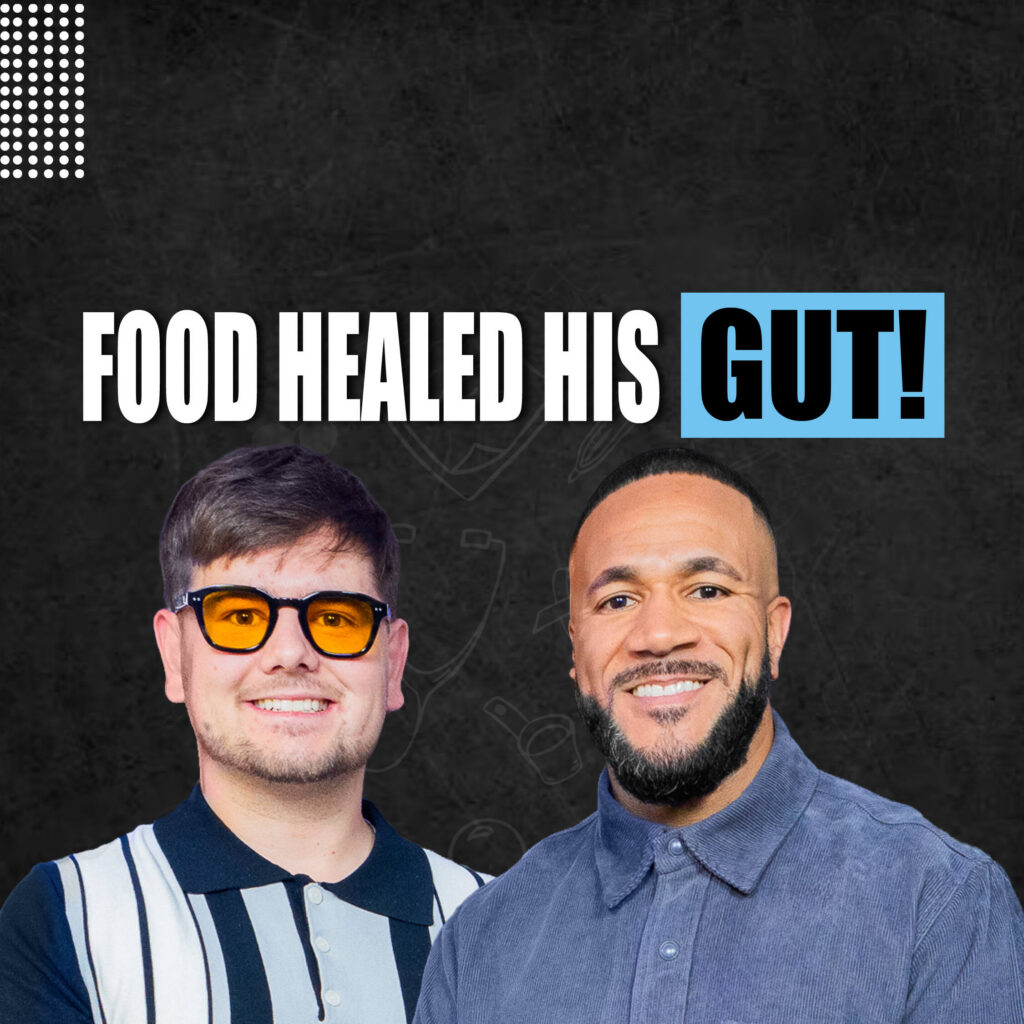
He Reversed His Chronic Illness Without Lifelong Medication | Garrett Pagel | Ep. 141
Before The Diagnosis, There Was Already Trauma
Long before ulcerative colitis entered the picture, Garrett had already spent years around hospitals and doctors.
When he was six years old, he survived a severe dog attack involving a husky that caused major injuries to his face. He went through reconstructive procedures, recovery periods, and repeated medical treatments while he was still a child.
Part of that treatment involved heavy antibiotic use. At the time, there was really no alternative. Preventing infection was the priority. But years later, Garrett began looking back at that period differently.
Not because he blames doctors for helping him. In fact, throughout the podcast, he repeatedly acknowledged that emergency medicine helped save his life.
What started bothering him later was the possibility that years of antibiotics may have also damaged his gut health in ways nobody talked about at the time.
By the time he turned 20, things became serious. He started dealing with digestive symptoms severe enough to send him to the emergency room.
At first, doctors thought it was pancreatitis. It was not.
After more testing and a colonoscopy, Garrett was diagnosed with ulcerative colitis. And almost immediately, the process became familiar: medication, monitoring, monitoring more medication.
The first major prescription was Prednisone.
The steroid helped calm inflammation temporarily, but Garrett says he never truly felt healthy while taking it.
His heart rate stayed elevated. His energy crashed. He felt physically drained most of the time.
What bothered him most, though, was hearing doctors talk as if this was simply how life would be forever. That part never sat right with him.
“There Has To Be Another Way”
Garrett described a moment many people with chronic illness eventually experience.
You start asking questions.
Not because you want to reject doctors. Not because you think medicine is fake.
But because deep down you cannot accept that your body is suddenly incapable of healing anything.
While recovering, Garrett started listening to conversations around nutrition, alternative medicine, gut health, and preventative care.
He specifically mentioned hearing Robert F. Kennedy Jr. speaks about the healthcare system and how heavily it relies on pharmaceutical intervention. Those conversations pushed Garrett to start researching things for himself.
He became interested in the gut microbiome and the connection between inflammation, digestion, immunity, and overall health. The more he learned, the more frustrated he became that nobody had ever really talked to him about food in a serious way.
Everything revolved around prescriptions. Very little revolved around rebuilding health. So he decided to start changing things himself.
The Recovery Was Not Glamorous
One of the more refreshing parts of the conversation was how realistic Garrett sounded when talking about recovery.
There was no dramatic “one weird trick” story.
No overnight transformation. No miracle supplement. It was repetitive. It was disciplined. And honestly, parts of it sounded miserable.
He simplified his meals, almost completely: rice, chicken, very little seasoning.
He cut out foods that could trigger inflammation and slowly started rebuilding from there.
One thing Sam kept joking about during the episode was Garrett’s cabbage juice routine.
For nearly a month, Garrett drank cabbage juice in the morning and again before bed.
Not because he loved it. Because he was desperate to feel normal again.
He also started walking after meals, focused on rebuilding his gut health, and gradually worked on restoring his energy.
Little by little, things started changing. He lost weight. His energy improved. His heart rate stabilized.
And eventually, he was able to reduce his medication under medical supervision. Months later, Garrett returned for another colonoscopy.
What happened next became one of the defining moments of his entire journey. According to Garrett, his doctor said there was not enough inflammation left to support the same diagnosis.
For the first time in a long time, Garrett felt like he had control over his body again.
Why The Experience Changed His Entire Direction
Some people go through health scares and move on quietly.
Garrett went the opposite direction.
The experience pushed him deeper into conversations surrounding nutrition, chronic disease, and the way healthcare professionals are educated.
That eventually led to the creation of The Vital Choice Project.
The nonprofit focuses on helping students interested in healthcare explore nutrition, preventative care, and alternative health education while they are still in school.
Garrett believes many students genuinely want to help people but are entering systems that place overwhelming emphasis on pharmacology while barely touching nutrition.
One thing he repeatedly came back to during the podcast was the idea that future healthcare providers should understand both worlds.
Not just prescriptions, not just natural medicine, but both.
Through The Vital Choice Project, students can apply for something called the Breakaway Grant, which helps fund nutrition courses, books, conferences, and educational opportunities connected to preventative health.
Garrett says interest from students has grown quickly. And according to him, many younger people are already moving in this direction on their own.
They are drinking less. Paying more attention to ingredients. Cooking more at home. Questioning processed foods.
Wanting answers that go beyond simply taking another pill.
The MAHA Movement and a Bigger Push for Health Freedom
Beyond his personal health journey, Garrett’s work today is also deeply tied to the MAHA movement, where he serves as an Election Strategy Director and actively helps organize and support health-focused initiatives across the country.
He talked about how MAHA is not just a political label to him, but a growing health and wellness movement built around one core idea: people should have more control, awareness, and options when it comes to their health.
A big part of that work involves showing up at events and connecting with communities face-to-face.
Garrett mentioned being involved in rallies and gatherings across different states, including major health-focused events like the Real Food Rally in Austin, where discussions centered around food quality, nutrition, and transparency in the food system.
He also referenced upcoming movements such as the “People Versus Poison” rally in Washington, D.C., which highlights concerns around food systems, additives, and long-term public health.
For Garrett, these events are not isolated moments. They are part of a larger cultural shift he believes is happening in real time.
He described MAHA Action as a space where people from different backgrounds in health, wellness, and advocacy are coming together to push for more education around nutrition, preventative care, and lifestyle-based healing.
One thing that stood out in the conversation was how strongly he emphasized collaboration.
He and Sam discussed how the health and wellness space is no longer operating in silos the way it used to. Instead, practitioners, advocates, and educators are increasingly working together to bring awareness to issues like chronic disease, gut health, and ultra-processed food consumption.
Garrett also connected this movement back to some of the political conversations happening around health, including the influence of figures like Robert F. Kennedy Jr., whose speeches he said played a role in pushing him to question the system more deeply while he was still in the hospital.
For him, MAHA represents something bigger than politics. It represents a cultural awakening around health.
A Bigger Conversation About Health
The conversation between Sam and Garrett touched on something that resonates with a lot of people right now.
Many patients feel like modern healthcare has become very good at managing symptoms while often overlooking lifestyle.
That does not mean medication never matters. It does.
Garrett himself openly acknowledged that modern medicine helped save his life more than once.
But he also believes there needs to be more room for conversations around food, movement, stress, sleep, inflammation, and prevention. That belief now shapes almost everything he does.
Toward the end of the episode, Garrett shared a message for people currently struggling with chronic illness.
He said he understands what it feels like to believe your life may never feel normal again.
He understands the fear that comes with symptoms you cannot control.
But he also wants people to know that improvement is possible.
Not easy. Not instant. But it is possible.
And for Garrett, that possibility ended up changing the course of his life completely.