
For decades, healthcare has been built around one central question: What disease does this person have? But what if we’ve been asking the wrong question all along?
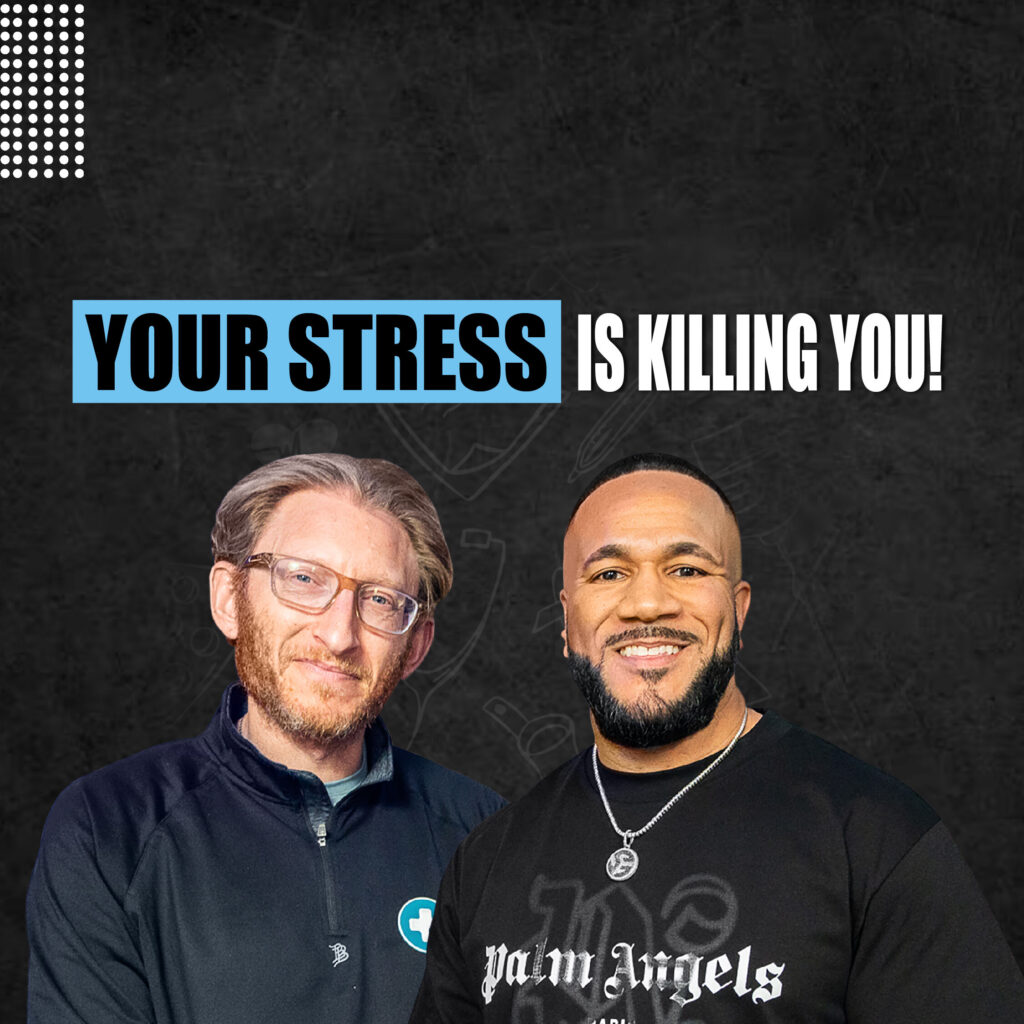
In a powerful conversation on “A Healthy Point of View” podcast, Sam Tejada, CEO and Founder of Liquivida®, sat down with Dr. Scott Sher, a physician, hyperbaric oxygen therapy expert, and COO of Health Optimization Medicine (HOMe), to explore a radically different approach to health. One that doesn’t begin with symptoms or diagnoses, but with foundational biology.
The message was clear: you don’t have to be sick to be unwell, and waiting until you are may be too late.
This Doctor Says Stress Is Destroying Your Mitochondria (Here’s Why!) | Dr. Scott Sherr | Ep. 118
From Conventional Medicine to a Bigger Picture
Dr. Sher’s path into medicine didn’t start inside the traditional system. Raised by a chiropractor, he grew up outside the boundaries of conventional healthcare. Ironically, it was medical school that opened his eyes, not just to the power of medicine, but to its limitations.
Conventional medicine excels in emergencies. It saves lives when trauma strikes. But when it comes to chronic illness, low energy, anxiety, brain fog, and burnout, the system often defaults to algorithms and prescriptions rather than asking why the body is breaking down.
That realization led Dr. Sher toward internal medicine, and eventually to one of the most transformative tools in modern performance-driven care: hyperbaric oxygen therapy (HBOT).
Hyperbaric Oxygen Therapy Is Powerful But Not Enough on Its Own
Hyperbaric oxygen therapy increases oxygen delivery to tissues, supporting healing, recovery, and cellular repair. Dr. Sher saw firsthand how powerful it could be, but also where it fell short.
Patients with poor nutrition, hormone imbalances, gut dysfunction, or chronic stress often fail to see lasting results. Some even felt worse.
That’s when the missing piece became obvious:
Advanced therapies don’t work without a stable biological foundation. You can’t layer high-performance tools onto a system that’s already depleted.
Health Optimization Medicine: Shifting the Focus From Disease to Health
That realization led Dr. Sher to Health Optimization Medicine (HOMe), a framework developed to answer a question most healthcare systems ignore:
What does optimal health actually look like?
Rather than chasing disease, HOMe establishes a biological baseline modeled after how the body functions between the ages of 21 and 30, when energy is high, recovery is fast, and resilience is natural.
The goal isn’t perfection. It’s restoration.
By optimizing nutrients, hormones, gut health, neurotransmitters, and metabolomics, the body becomes more adaptable, and suddenly, many chronic issues become easier to manage or even resolve.
The Sympathetic Spiral of Doom: Why Stress Is Breaking Our Biology
One of the most critical concepts discussed was what Dr. Sher calls the “sympathetic spiral of doom.”
Most people today live in a constant state of fight-or-flight. The nervous system stays locked in sympathetic overdrive, driven by stress, lack of sleep, unresolved trauma, overwork, and nonstop stimulation.
This chronic stress state:
- Disrupts mitochondrial function
- Depletes energy
- Increases anxiety
- Worsens sleep
- Accelerates inflammation
- Shortens healthspan
And here’s the vicious cycle: Low energy increases anxiety, and anxiety further damages energy production.
Until the nervous system is calmed, no supplement, IV, or biohacking device can fully fix the problem.
Mitochondria: Where Energy, Mind, and Biology Intersect
At the center of this conversation lies the mitochondria, the tiny engines inside every cell responsible for energy production.
When mitochondria are healthy:
- Energy is stable
- The brain functions clearly
- Detoxification works efficiently
- Stress is more manageable
When they’re impaired, everything downstream suffers.
Dr. Sher emphasized that true metabolic health isn’t just about producing energy; it’s also about clearing the toxic byproducts of energy production. When that balance is lost, symptoms like brain fog, pain, mood disorders, and chronic fatigue begin to appear.
Anxiety, GABA, and Why “Just Calm Down” Never Works
One of the most eye-opening discussions centered around anxiety and neurotransmitters, particularly GABA, the brain’s primary calming signal.
Modern medicine has long blamed depression and anxiety on serotonin. But research now shows that many people struggling with anxiety, insomnia, and mood disorders are actually GABA-deficient.
Without enough GABA:
- The brain can’t slow down
- Sleep becomes fragmented
- Anxiety intensifies
- Emotional regulation declines
Telling someone in this state to “just relax” is not only ineffective, but it’s biologically unrealistic.
Instead, the nervous system must be supported so the body can experience what calm actually feels like again.
Alcohol, Quick Fixes, and the Illusion of Relaxation
Alcohol often feels relaxing because it temporarily activates GABA receptors. But that relief is short-lived. As alcohol wears off, GABA levels crash, leading to disrupted sleep, increased anxiety, and greater stress the next day. Over time, this pattern depletes antioxidants, burdens the liver, and worsens mitochondrial health.
What feels like unwinding is often just borrowing calm from tomorrow.
Why Personalization Is Non-Negotiable
A recurring theme throughout the conversation was the danger of one-size-fits-all health advice.
“You don’t guess. You test.” Health optimization relies on data, tracking nutrient levels, metabolites, hormones, and mitochondrial markers over time. Biology is dynamic, not static. What someone needs today may be different three months from now.
True optimization is personal, adaptive, and ongoing.
Stop Chasing, Start Calming
Dr. Sher left people with a message that was blunt, compassionate, and deeply necessary:
Calm the f*ck down.
Not as a dismissal, but as an invitation.
An invitation to:
- Step out of constant survival mode
- Build a real biological foundation
- Stop chasing quick fixes
- Start creating sustainable health
Because no matter how advanced medicine becomes, nothing works if the nervous system never feels safe.