

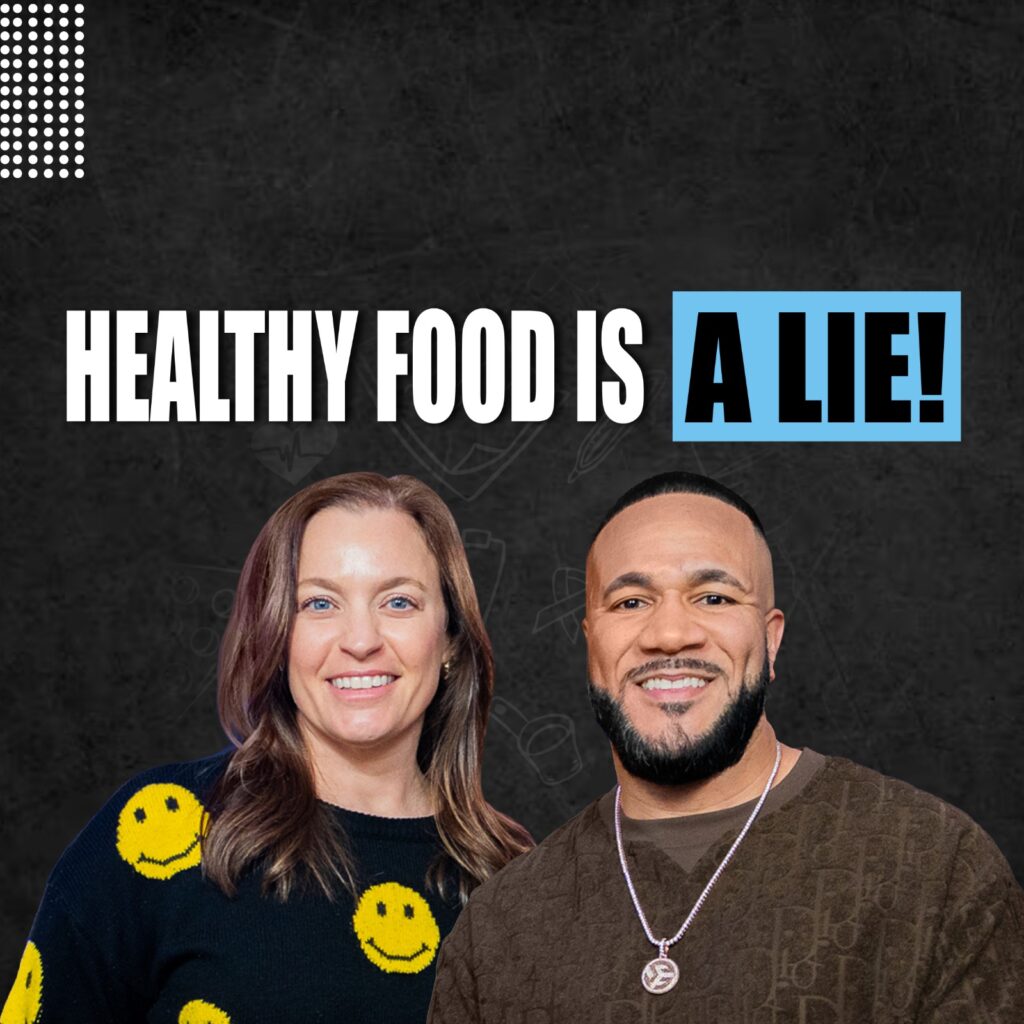
In an episode of “A Healthy Point of View” podcast, Sam Tejada, CEO and Founder of Liquivida®, sits down with Jen Smiley, the founder of Wake Up and Read the Labels, to unpack a truth most people aren’t ready to hear:
A lot of what we think is healthy… isn’t.
And the consequences aren’t subtle. They show up as bloating, fatigue, stubborn weight, skin issues, hormone imbalances, and for many people, a quiet feeling that something just isn’t right.
Why “Healthy” Grocery Store Foods Are Secretly Hurting You | Jen Smiley | Ep. 127
The Wake-Up Call Most People Miss
Jen’s story didn’t begin with a business idea. It began with frustration.
In her mid-20s, she was doing everything “right”, working out, trying different diets, following conventional advice. But her body told a different story. She was constantly inflamed, struggling through workouts, dealing with unexplained symptoms, and walking out of doctor visits with prescriptions, but no real answers.
No one asked what she was eating. No one asked about stress, lifestyle, or daily habits.
That disconnect became the turning point.
Instead of accepting the cycle, she started experimenting, changing foods, paying attention to how her body responded. Slowly, patterns emerged. Energy improved. Inflammation decreased. And for the first time, she saw a direct link between what she was eating and how she felt.
The Label That Changed Everything
The real shift came from something deceptively simple: flipping a product over.
A protein shake that looked “healthy” on the front told a completely different story on the back. Long ingredient lists. Chemical names. Additives she couldn’t pronounce.
And once she noticed it, she couldn’t unsee it.
Those same ingredients were everywhere: salad dressings, breads, creamers, “health” snacks. Foods marketed as nutritious were often loaded with preservatives, emulsifiers, and hidden sugars.
That realization sparked a mission: wake up and read the labels.
When Food Becomes the Turning Point
The impact wasn’t just personal.
When Jen helped her father change his diet before prostate surgery, the results were dramatic. Within three months, he lost weight, came off medications, and even saw improvements in key health markers.
From there, word spread. What started with one person turned into dozens of clients, many dealing with similar issues: bloating, autoimmune symptoms, fatigue, weight gain, and chronic inflammation.
And the pattern was clear. It wasn’t just about calories. It was about ingredients.
The Problem with Diet Culture
One of the biggest myths the conversation challenges is the idea that health comes from strict diets. Keto. Paleo. Calorie restriction. Pre-packaged “healthy” meals.
They all promise results, but often fail long-term.
Why? Because they focus on rules, not understanding.
Diets tend to:
- Create restriction and fear around food
- Ignore ingredient quality
- Rely on processed “diet-friendly” products
- Fail to fit real-life situations
As Jen explains, most people aren’t taught how to choose better food; they’re simply handed a system to follow.
And eventually, that system breaks.
The Power of Simple Swaps
Instead of eliminating foods entirely, Jen’s approach centers on swapping ingredients.
Not giving up bread but choosing a version made with fewer, cleaner ingredients.
Not avoiding pasta but replacing it with alternatives that are easier to digest.
Not cutting out meals but improving what goes into them.
This shift does something powerful: it removes restriction and replaces it with awareness.
And when people start making those swaps, the changes often come quickly:
- Reduced hunger
- More stable energy
- Less bloating
- Better sleep
- Gradual, sustainable weight loss
Not because they’re eating less but because their body is finally working with them instead of against them.
Why So Many People Feel “Off”
Many don’t even recognize basic signals anymore, like what bloating feels like or what true energy should be.
But the body is always communicating.
Through:
- Skin issues
- Digestive problems
- Fatigue
- Joint pain
- Hormonal imbalances
These aren’t random. Their feedback.
And often, they point back to what’s being consumed daily.
Health vs. Weight Loss: The Critical Difference
Weight loss is not the same as health. You can lose weight and still be unhealthy.
You can follow a diet and still damage your metabolism.
You can drop pounds while losing muscle, the very thing that supports longevity.
True health is deeper.
It’s about:
- Gut function
- Cellular health
- Hormonal balance
- Energy consistency
And when those improve, weight loss becomes a byproduct, not the goal.
Where to Start (Without Overwhelming Yourself)
For anyone feeling stuck, the advice is surprisingly simple:
Start with what you already eat.
Look at your:
- Coffee creamer
- Breakfast foods
- Protein powders
- Everyday staples
Flip them over. Read the ingredients.
If you can’t recognize them or wouldn’t find them in a kitchen, that’s your first signal.
From there, make one better choice. Not a complete overhaul. Not a strict plan. Just one change.
Because momentum builds from clarity, not perfection.
Health isn’t about chasing trends or following the next popular diet.
It’s about understanding what you’re putting into your body and how it responds.
And in a world where “healthy” is often a marketing strategy, that awareness becomes a form of control.
Because once you start reading labels, you stop guessing.
And once you stop guessing, everything changes.