
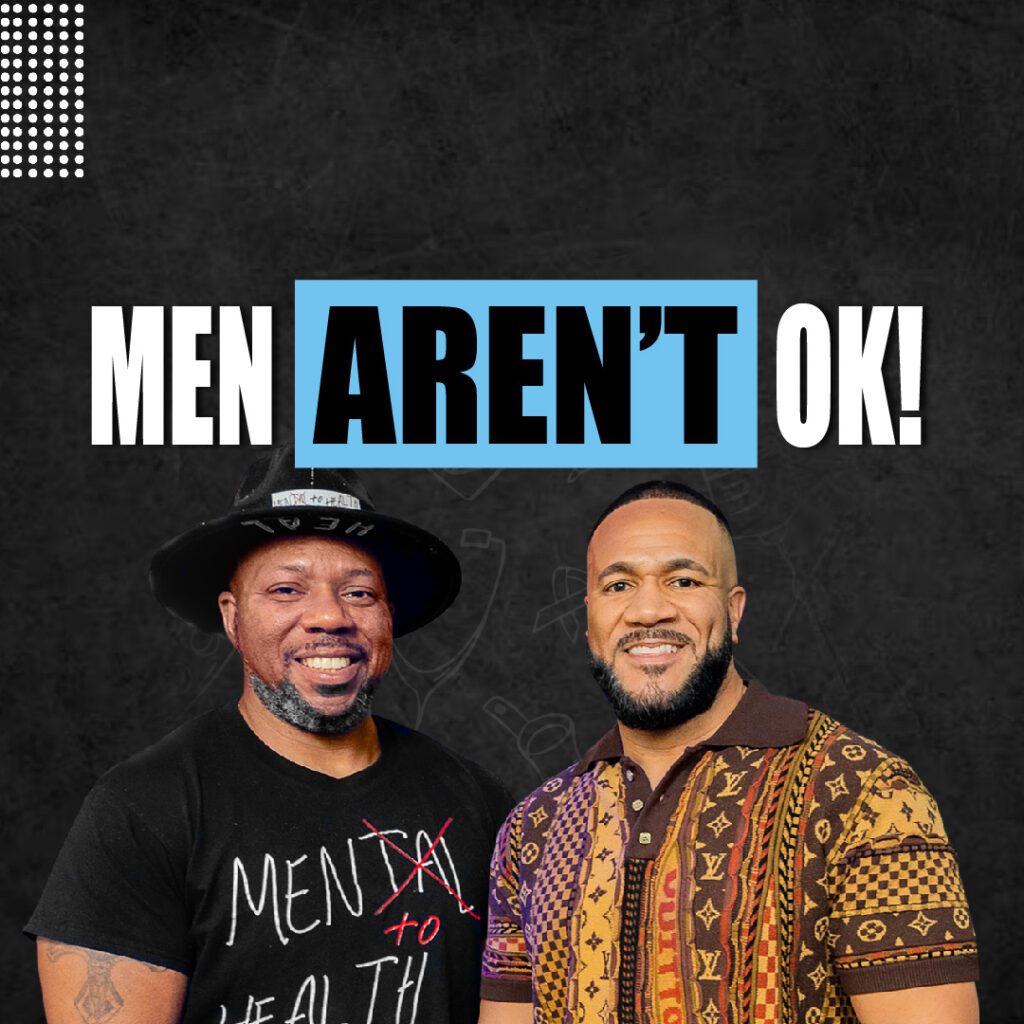
Mental health conversations are evolving, but for many men, especially veterans, first responders, and men from underserved communities, silence still feels safer than vulnerability. On “A Healthy Point of View” podcast, host Sam Tejada, CEO and Founder of Liquivida® sat down with James Harris, licensed mental health professional, military veteran, and founder of Men to Heal, to unpack what men really carry beneath the surface and why healing requires more than “toughing it out.”
James’ story isn’t theoretical. It’s lived.
Men Aren’t Broken—They’re Silent | The Mental Health Truth No One Tells You | Ep. 114
A Childhood Shaped by Loss and Responsibility
James Harris’ journey began with trauma at an age when most children are just beginning to understand the world. After losing his father to cancer at five years old, James became the eldest child in a household led by a single mother battling epilepsy and recurring strokes. By the age of eight, the state intervened, and James and his siblings entered the foster care system.
What followed was a series of destabilizing transitions, foster homes, group homes, and eventually separation from his siblings. Instead of breaking him, these experiences forced James to mature early. He took on a protector’s mindset, not just for himself, but for his brother and sister.
“I felt like it was my responsibility to keep my family together,” James shared. That sense of responsibility would later shape his purpose.
Choosing Discipline Over Despair
As a teenager, James made a strategic decision that would alter his trajectory. He enrolled in a military high school not out of obligation, but by intention. Wearing a uniform meant stability. Working a job meant income he could use to support his siblings. At just 16, James legally emancipated himself, becoming his own guardian years before adulthood officially began.
That discipline eventually led him to the U.S. Army, where he served eight years with deployments to both Iraq and Afghanistan. While the military provided structure, it also added layers of trauma experiences that would later deepen his understanding of mental health from both personal and professional perspectives.
When Therapy Doesn’t Feel Relatable
James’ early exposure to therapy, both as a child in foster care and later as a returning veteran, left him frustrated. The problem wasn’t therapy itself; it was the disconnect.
Too often, he found himself sitting across from professionals who couldn’t truly relate to his lived experiences. The advice felt rehearsed. Clinical. Detached. This disconnect mirrors why so many men, particularly veterans and first responders, avoid therapy altogether.
“When you’ve lived it, you know when someone understands and when they don’t,” James explained.
That realization planted a seed.
From Entrepreneur to Mental Health Advocate
Before fully stepping into mental health work, James explored entrepreneurship, owning businesses, managing properties, and building financial independence. But something was missing. His lived experiences of childhood trauma, military service, systemic barriers, and masculinity expectations kept calling him toward deeper impact.
James returned to school, earned his credentials, and became a licensed mental health professional. This time, he wasn’t just learning theory; he was building a bridge between clinical knowledge and real-world experience.
The Birth of Men to Heal
Men to Heal began as a graduate school assignment. When asked which population he wanted to serve, James initially said veterans. Then he widened the lens.
Men, across all backgrounds, were struggling quietly. And few spaces truly existed for them.
What started as community conversations quickly grew into a movement. James hosted open discussions, filled rooms with men who had never spoken openly about their emotions, and created a space where vulnerability wasn’t weakness, it was strength.
From there, Men to Heal expanded into workshops, speaking engagements, advocacy, and eventually a guided men’s journal designed to help men process emotions they were never taught to name.
Why Men Struggle in Silence
One of the most powerful discussions on the podcast centered around why men often avoid emotional expression altogether.
From childhood, many boys are conditioned to suppress emotion: “boys don’t cry,” “man up,” “handle it yourself.” Over time, that suppression turns into isolation, anger, anxiety, and depression, often expressed physically rather than emotionally.
James emphasized that depression in men doesn’t always look like sadness. It can look like irritability, withdrawal, sleep disruption, digestive issues, or chronic stress. Without proper language or support, many men don’t even realize what they’re experiencing has a name or that it’s treatable.
Vulnerability Strengthens Relationships
A recurring theme throughout the conversation was communication, especially within families. James explained how unprocessed trauma often shows up as displacement: snapping at a partner, withdrawing from children, or reacting disproportionately to minor stressors.
His advice is simple but powerful: communicate early, communicate clearly, and decompress before bringing stress home. Even small habits quiet drives, mindfulness, and exercise, can prevent emotional overflow and protect relationships.
Healing the Healers
James also addressed an often-overlooked group: those who care for others. Therapists, doctors, first responders, and healthcare professionals absorb trauma daily. Without intentional self-care, burnout and emotional numbness become inevitable.
“Who heals the healer?” Sam asked.
James’ answer was clear: accountability, boundaries, moderation, and ongoing self-work. Healing isn’t a destination, it’s a practice.
A New Definition of Strength
Through Men to Heal, James Harris is challenging outdated definitions of masculinity. Strength isn’t silence. Leadership isn’t emotional absence. Healing isn’t weakness.
True resilience comes from awareness, support, and the courage to confront what hurts.
For men navigating trauma, identity shifts, or emotional exhaustion, James’ message is clear: you don’t have to carry it alone, and you don’t have to stay stuck.
Meta Description:
Mental health conversations are evolving, but for many men, especially veterans, first responders, and men from underserved communities, silence still feels safer than vulnerability.