

At five years old, Dr. David Lipman dislocated his shoulder. Ten years later, a motorcycle accident left him with two fractures in his neck. Then, about 22 years ago, he ruptured a disc in his lower back and lost function in his right leg.
You might expect someone with that history to have spent years in and out of surgery. He hasn’t had surgery for any of those injuries.
Now 65, Dr. Lipman says he lives without pain and remains functional despite arthritis, multiple herniated discs, and spinal stenosis. Those experiences have had a lasting influence on the way he practices chiropractic. They also left him with a question that has followed him throughout his career: how can someone have significant structural damage and still move comfortably, while another person with seemingly less damage struggles every day?
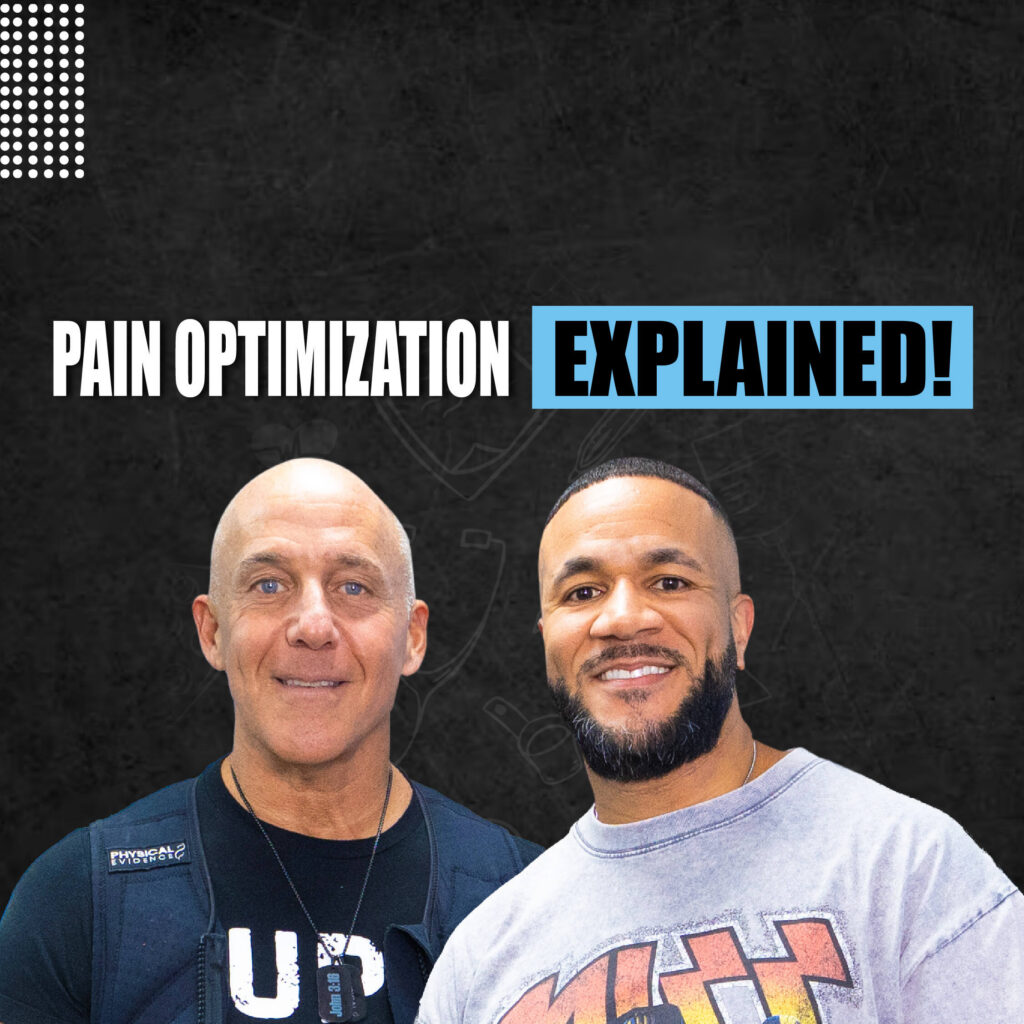
That question came up during his conversation with Sam Tejada, CEO and Founder of Liquivida®, on “A Healthy Point of View” podcast. Their discussion covered functional chiropractic, movement, inflammation, mitochondria, and the changes that led Dr. Lipman to look much further than the spine.
Body Optimization Explained: Fix the Root Cause of Full Body Pain | Dr. David Lipman | Ep. 186
The Place That Hurts May Not Be Where the Problem Started
Dr. Lipman has been practicing since 1987. Early in his career, he understood chiropractic largely through spinal adjustments. With time, both his work with patients and his own injuries changed that perspective.
He began looking at the body as an interconnected system. The nervous system, muscles, joints, and the way someone distributes their weight all influence one another. A change in one area can affect movement somewhere else.
He has a simple way of explaining what happens when these changes go unnoticed. Pain, he says, is like a check-engine light. It gets your attention, but it doesn’t necessarily tell you what’s wrong. By the time the light comes on, the underlying issue may have been developing for quite some time.
Sam understood the distinction from personal experience. He told Dr. Lipman about a period when he was dealing with severe sciatica, with pain travelling down his left leg. He had an MRI and knew there was an issue, but when he went looking for chiropractic help, one experience left him disappointed. He described being adjusted without much discussion about his history or a closer assessment of what might be contributing to the pain.
The contrast with his experience at Dr. Lipman’s clinic was significant, he said. It gave him a chance to see what a more involved approach could look like.
Dr. Lipman explained that he wants to understand how a person got to the point where they are hurting. Was there a specific injury? Has the person been walking differently? Do they put more weight on one side? Are their daily habits gradually creating an imbalance?
He recalled something from his childhood that helps explain why he thinks this way. He loved building Lincoln Log houses, but later became even more interested in his Erector Set. Unlike a static structure, it involved connected pieces that moved. Something happening in one part could affect another.
He sees the human body in much the same way. A shoulder complaint, for instance, may involve more than the shoulder itself. The question is what else in the body’s movement system could be contributing to it.
What Happens During Treatment?
Dr. Lipman’s approach combines several techniques rather than relying on an adjustment alone. He described using shockwave therapy, deep tissue laser, Rapid Release Technology, mechanical motion therapy, and adjustments to the spine and extremities.
Shockwave therapy is one of the tools he uses when he finds areas of tension and tissue restriction. He explained that changes in the way someone walks or bears weight can create stress along certain movement patterns. Over time, that stress may contribute to tendon irritation and discomfort. He uses shockwave therapy with the aim of addressing those areas and supporting tissue recovery.
When tendon irritation is more significant, he may also use a Class IV deep tissue laser. He described this as a way to work at the cellular level and support the recovery process.
Another tool in his practice is Rapid Release Technology. Dr. Lipman distinguishes it from percussive devices such as Theraguns and Hypervolts. It uses vibration rather than the same pounding sensation, which he finds useful when a patient is already dealing with sensitive or inflamed tissue.
Mechanical motion therapy is also part of the process. Dr. Lipman explained that restricted movement can affect the sensory information travelling between the joints, muscles, and brain. Restoring range of motion, in his view, helps reintroduce movement patterns that may have been lost or reduced.
Adjustments remain part of his work, but they sit within a broader treatment plan. The combination depends on the individual and what the assessment reveals.
He gave a personal example involving his wife, who works as a hairstylist and can spend 10 to 12 hours on her feet. She had experienced hip discomfort, and he found that working on her foot and ankle helped. Her shoes, the way she leans while working, and the long hours she spends standing were all relevant to the bigger picture.
It is an example of why he doesn’t automatically begin and end an assessment at the painful area.
Why He Started Looking Inside the Body
The conversation eventually moved from muscles and joints to something much smaller: the cells themselves.
Dr. Lipman believes inflammation can contribute to symptoms even when structural damage doesn’t fully explain what a person is experiencing. He brought up gut health, food sensitivities, and the possibility that certain foods or digestive issues may contribute to inflammatory responses.
He is particularly interested in mitochondria, the structures inside cells that help produce energy. He believes looking at cellular energy production can add another layer to understanding recurring health problems.
That interest also changed how he thinks about supplements. He told Sam that, for years, he took supplements but didn’t distribute them to patients because he didn’t believe everyone should receive the same recommendations. People have different needs, and he wanted a better way to understand those differences.
He discussed methylation and genetic variations, along with intracellular micronutrient testing. Rather than looking only at nutrients circulating in the bloodstream, the testing he described is intended to assess levels within cells. He uses results alongside a person’s symptoms and health history to help decide what may need attention.
He also spoke about the ME Screen, a test he uses to examine aspects of mitochondrial function, including membrane integrity, oxidative stress, antioxidant defenses, autophagy, and senescent cells.
These are areas he has chosen to investigate in his practice. The tests and interpretations he discussed should be understood as part of his approach, not as proof that one test can explain every symptom or identify the cause of every condition.
The Illness That Sent Him Back to the Beginning
For someone who had been exercising and paying attention to nutrition since childhood, getting seriously ill in 2020 was frightening.
Dr. Lipman was in California visiting his youngest son, who was starting college, when he tested positive for COVID-19. He described being extremely sick for three weeks. At one point, his wife had to take him to the emergency room. He remembers looking at her from the backseat, shaking with chills, unsure of what was going to happen.
He eventually went home after receiving treatment, including an IV vitamin drip and medication, but recovery took several more weeks. He said he lost around 15 pounds of muscle and felt weak.
The experience made him reconsider what he knew about his own health. He had been taking supplements since the 1970s, yet when he had an intracellular micronutrient test, he said the results showed 14 deficiencies.
That discovery prompted him to investigate other areas, including methylation, genetics, hormones, mitochondrial function, gut health, and food sensitivities. He wanted to understand what had happened to him, but he also began thinking about how the knowledge might help his patients.
He explained that he had spent years learning how to manage his musculoskeletal injuries. Now he wanted to apply the same curiosity to the rest of the body. His experience became a reason to keep studying rather than assume that what he already knew was enough.
Health Is Shaped Between Appointments
One point Dr. Lipman returned to several times was the importance of what people do when they aren’t in a practitioner’s office.
He told Sam that the person living in the body every day has a much greater influence on it than any practitioner can have during an appointment. Treatment may be useful, but it cannot replace daily habits.
He spoke about prolonged sitting, movement, sleep, hydration, nutrition, and the environment people live in. He also discussed walking after dinner and paying attention to how a workstation is set up. These aren’t complicated ideas, but they are easy to neglect when work and daily responsibilities take over.
Nutrition is another area where his personal choices came into the conversation. Dr. Lipman said he follows a carnivore diet and shared his concerns about processed carbohydrates. That’s the approach he has chosen for himself; it isn’t a recommendation that every listener should follow.
He also discussed molecular hydrogen and its proposed role in interacting with certain free radicals, as well as the NRF2 pathway. These subjects are part of the cellular health research that interests him, although the potential benefits should not be treated as established outcomes for every person.
For Dr. Lipman, learning about these areas is part of understanding the different factors that may affect health. He encouraged people to work with practitioners who can interpret their individual needs rather than follow every new supplement or treatment recommendation they hear.
Thinking About the Person You Want to Be Later
When Sam asked where he sees longevity medicine going, Dr. Lipman described a future in which healthcare becomes more proactive. He hopes people will start treating their health as something worth investing in before a problem forces them to pay attention.
He offered a personal way of looking at it: he doesn’t want to become a parent or grandparent who has to sit on the sidelines. He wants to remain active and involved with his family.
That idea gives the conversation a more practical meaning. Longevity isn’t only about living longer. It’s also about how someone feels and what they are able to do during those years.
Near the end of the episode, Sam asked Dr. Lipman about a misconception people have about him. His answer was straightforward. When people hear the word chiropractor, they often assume he only works on backs and necks. He wants them to understand that his work involves the whole body, and that educating people about the difference is something he continues to work on.
His final message was about taking responsibility for the choices made today. The habits people build now influence how they feel and function in the future. No treatment can make those daily choices on someone’s behalf.
After decades in practice, and after dealing with injuries that could easily have changed the course of his life, Dr. Lipman is still asking questions about how the body works. That curiosity is what took him from spinal adjustments to a much wider view of health. And it is why he believes a better starting point is not simply asking where it hurts, but finding out what may be happening throughout the body.