
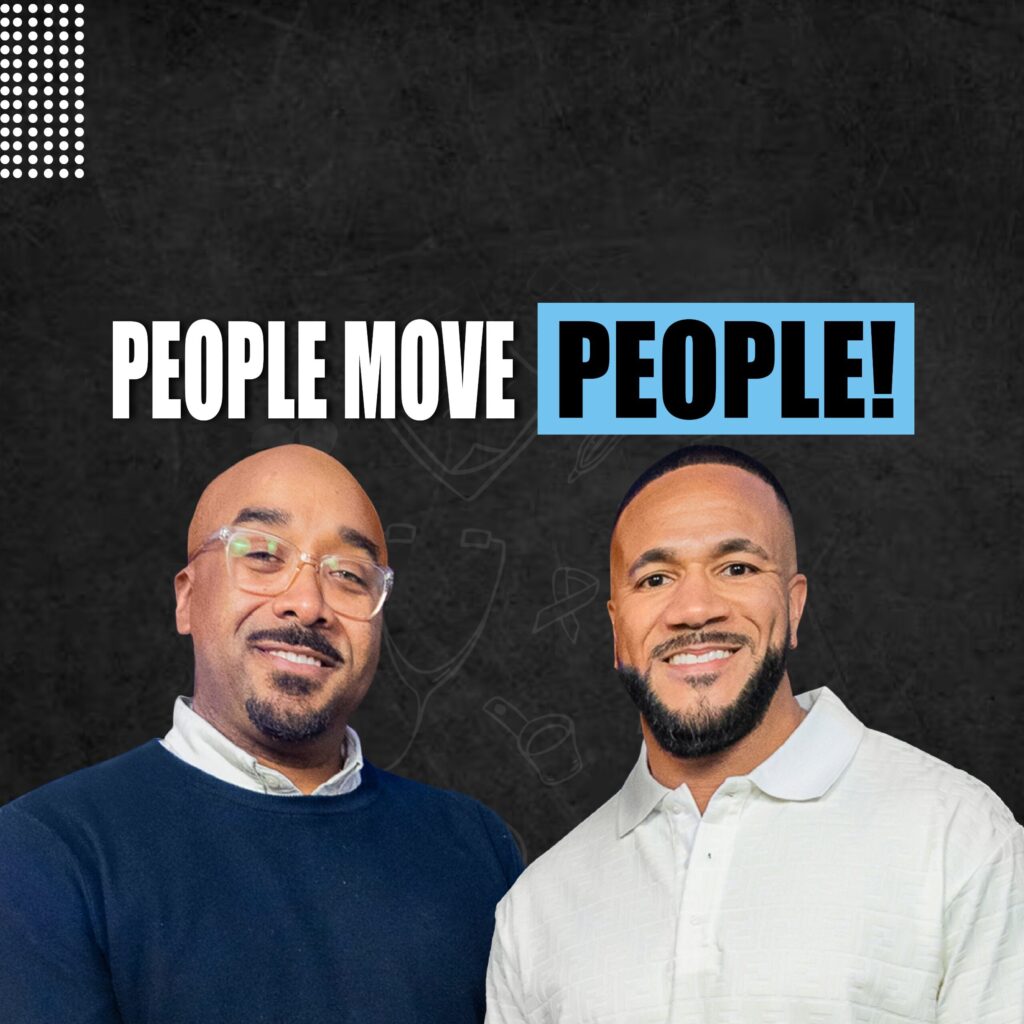
Sam Tejada, CEO and Founder of Liquivida®, has interviewed athletes, doctors, wellness leaders, and entrepreneurs on the “A Healthy Point of View” podcast, but his conversation with Dr. Marcus Collins, PhD, bestselling author of For the Culture, marketing professor, cultural strategist, and former digital strategist for Beyoncé, felt different almost immediately.
It did not feel like one of those polished business interviews where somebody repeats the same leadership advice people have already heard a hundred times.
The conversation was more personal than that.
At different points, they talked about Detroit, family, religion, politics, music, health culture, business pressure, and why people naturally follow the behavior of the people around them.
Collins, who worked as a digital strategist for Beyoncé before moving into academia and cultural strategy, spent most of the episode breaking down one idea over and over again in different ways:
People are heavily shaped by the groups they belong to.
Not just influenced a little.
Shaped by them.
Dr. Marcus Collins: How Culture Controls What We Buy, Believe, and Become | Ep. 137
Detroit Gave Him a Different View of the World
Collins grew up in Detroit during the years when the city was going through a serious economic decline.
Factories were disappearing. Neighborhoods were struggling. Crime was common in certain areas. A lot of people outside the city only saw Detroit through headlines.
But Collins never talked about it dramatically. To him, it was simply where he grew up.
His parents kept him busy almost constantly. If he was not in school, he was usually at church, swim practice, or involved in some kind of activity that kept him focused.
During the podcast, he mentioned something interesting about growing up in that environment. He said that when you live in a place long enough, certain things stop feeling unusual because they become normal in your life.
That stayed with him.
Years later, after leaving Detroit for college, he started realizing how different his upbringing really was. He also realized something else.
The people around you quietly shape what you think is possible for your future.
At one point in his life, Collins genuinely believed there was basically one safe path available to him: become an engineer, get stability, and avoid risky decisions.
He did not see creative careers as realistic options for someone with his background.
Looking back now, he understands that mindset came from culture.
What He Actually Means by “Culture”
One thing Collins repeated several times throughout the conversation was that people use the word culture constantly without really defining it. Most people hear the word and think about entertainment, music, trends, social media, or fashion.
That is not how he sees it.
For Collins, culture is more like an operating system. It is the collection of beliefs, expectations, behaviors, and social rules that people absorb from the groups around them.
It tells people what is normal. It tells people what success looks like.
And it quietly tells people how they are supposed to behave.
That idea applies everywhere, in business, religion, fitness, politics, friendships, and even health.
Collins explained that people naturally look to others for signals about what is acceptable for “people like us.” That phrase came up often. People like us. According to him, most human behavior comes back to that.
Why “People Move People” Matters
One of the more memorable parts of the interview came when Collins explained what he means when he says, “People move people.”
His point was simple. Human beings copy each other constantly.
Sometimes consciously. Sometimes without even noticing.
People copy speech patterns, routines, clothing styles, habits, opinions, fitness trends, and even emotional reactions. Collins talked about how communities influence behavior because people naturally want belonging.
If everybody around someone values entrepreneurship, fitness, or education, eventually that person starts moving in that direction too. The opposite is also true.
That idea connected strongly with Sam, who reflected on growing up in Milwaukee before moving to Florida.
Sam explained that many of the people he grew up with had the same hustler mentality he had, but their environments pushed them in completely different directions.
Some ended up building businesses. Others ended up getting into trouble.
The skill set itself was not necessarily different. The environment was.
The Problem With Forced Company Culture
The conversation later shifted into business.
Sam admitted that early in his career, he struggled with the idea of company culture because he felt people were trying to force an identity onto the business that did not feel authentic.
Collins agreed that companies often misunderstand culture completely.
A mission statement alone does not create culture. A motivational poster does not create culture.
And free snacks in the office definitely do not create culture.
According to Collins, real culture develops when the people inside an organization genuinely believe in the same ideas and values.
Customers can usually tell when that alignment is missing. He compared it to a stage production. The audience only sees the performance happening in front of them, but the quality of that performance depends on what is happening backstage.
If employees are disconnected internally, eventually customers feel it too.
Why People Get Emotionally Attached to Brands
Another part of the episode focused on why people become emotionally connected to brands, celebrities, and public figures.
Collins explained that people rarely buy products just because of features or logic.
They are usually buying identity. The brand becomes a reflection of who they think they are.
That is why people wear logos proudly.
That is why people defend brands online. That is why people build communities around fitness programs, sports teams, political movements, or even certain foods.
Those things stop being products at some point.
They become part of identity. Collins even used politics as an example.
He explained that many people support political figures because they emotionally connect with the beliefs and identity attached to them.
Once identity gets involved, separating from it becomes difficult because it no longer feels like a simple opinion. It feels personal.
The Wellness Industry and Social Acceptance
Toward the end of the episode, the conversation moved into health and wellness.
Sam brought up celebrity weight loss trends, social media wellness culture, and the growing obsession with looking healthy.
Collins responded by pointing out that society often confuses appearance with actual wellness.
At different times in history, larger body types represented wealth and prosperity.
Today, being lean is often associated with discipline, attractiveness, and success.
The definition changed because culture changed.
Collins argued that modern wellness culture sometimes sells social acceptance as much as it sells health.
People are not always chasing better health. Sometimes they are chasing confidence. Sometimes status. Sometimes approval.
Still, he acknowledged that conversations around prevention, food quality, and healthier living are becoming more important.
The challenge is separating genuine wellness from image-driven marketing.