For more than 20 years, Darrell “DJ” Linders spent his career responding to emergencies. As a member of the U.S. Coast Guard’s search-and-rescue teams, he witnessed tragedies that most people will never experience. Later, as a nurse and nurse practitioner, he worked inside the traditional healthcare system, treating patients long after disease had taken hold.
Those experiences changed the way he viewed medicine.
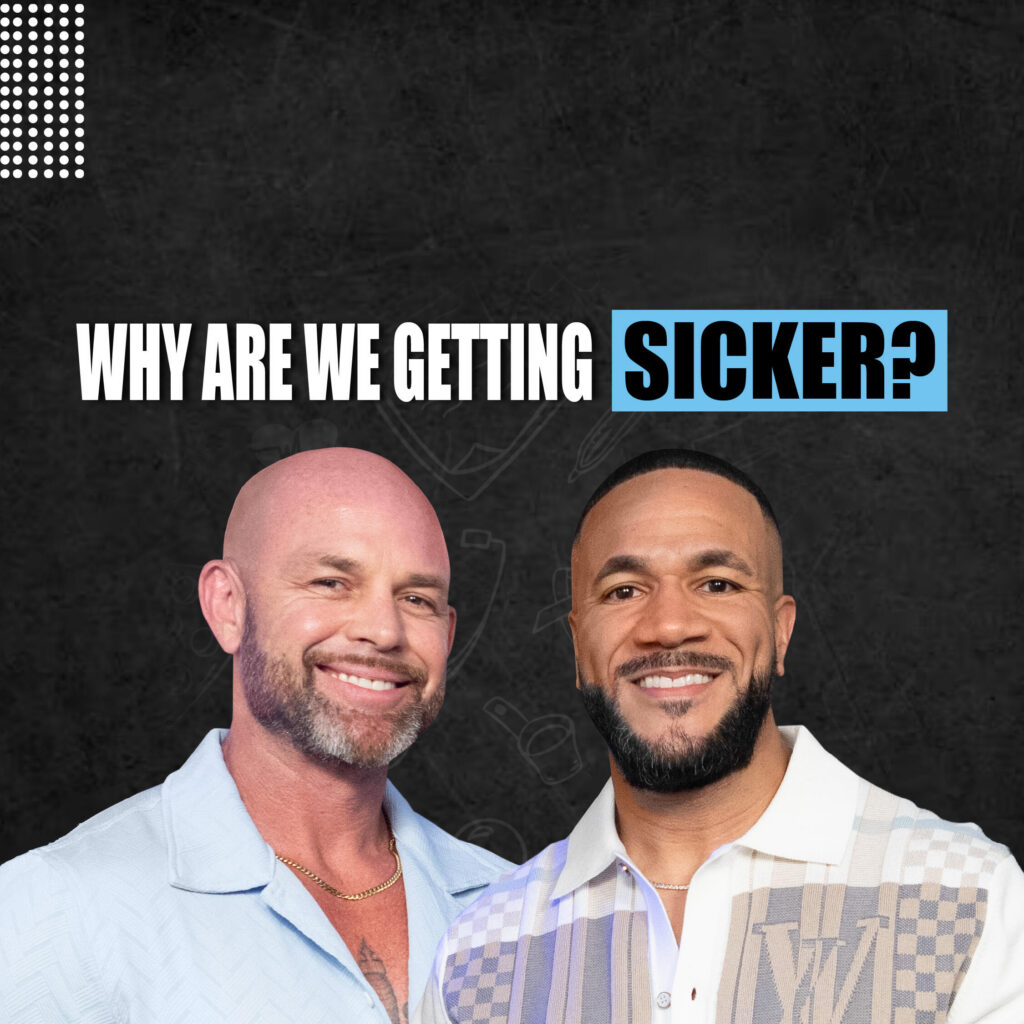
On “A Healthy Point of View” podcast hosted by Sam Tejada, CEO and Founder of Liquivida®, Linders shared the personal moments that shaped his career, from overcoming addiction and serving in the military to walking away from hospital medicine in search of a more preventive approach to health.
The Truth About Hormones, Toxins & Women’s Health | DJ Linders | Ep. 161
Choosing a Different Path
Long before medicine became his profession, Linders admits his life was heading in the wrong direction.
Growing up in Colorado, he spent most of his childhood outdoors, playing sports and enjoying the lakes near his home. Soccer was his biggest passion, but as he entered adulthood, things began to unravel. Alcohol and drugs became an escape from unresolved childhood trauma, and before long, he found himself facing the possibility of losing everything that mattered most.
With a young child on the way, he made a decision that would alter the course of his life. He joined the Coast Guard at 22 years old, describing the military as the turning point that gave him structure, discipline, and a reason to rebuild.
That wasn’t the end of the battle.
Years later, after reaching what he described as his personal rock bottom, Linders chose sobriety. This October marks 13 years without alcohol. Looking back, he says recovery wasn’t about finding a shortcut; it was about reaching a moment where continuing down the same path was no longer an option.
Rather than hiding from those difficult years, he now uses them to connect with others facing addiction, abuse, or personal trauma. He believes people who have lived through hardship often understand struggles in a way textbooks never can.
That perspective eventually became part of his work outside medicine as well, volunteering with organizations that support survivors of abuse and mentoring people working to rebuild their lives.
The Reality Behind Search and Rescue
Service, however, remained a constant throughout his career.
During his time in the Coast Guard, Linders served aboard cutters before moving into aviation search and rescue, flying on Dolphin helicopters and helping recover people stranded at sea. The work took him around the world, but it also exposed him to the emotional weight carried by first responders.
One mission has stayed with him for decades.
His crew responded to a boat carrying Haitian migrants that had been deliberately sunk by smugglers attempting to avoid capture. Many passengers had been in the water for more than a day before rescue crews arrived. Only a handful survived.
Among the images that never left him was a pregnant woman floating face down while another survivor, already aboard the helicopter, recognized her and screamed in grief.
Linders explained that memories like these are often triggered by ordinary sounds or smells, a reminder that trauma doesn’t simply disappear when the mission ends.
Sam Tejada, who spent 12 years as a firefighter and paramedic before entering the wellness industry, related to those experiences. Together, the two discussed how military personnel, firefighters, nurses, police officers, and paramedics often carry invisible emotional scars long after the public has forgotten the emergencies they responded to.
A Frustration with Traditional Medicine
Those conversations eventually influenced Linders’ next career move.
While still serving in the military, he earned his nursing degree before becoming a nurse practitioner. He entered hospital medicine hoping to help people recover, but over time, he found himself questioning whether the system focused enough on preventing illness in the first place.
The turning point came while caring for a woman recovering from a below-the-knee amputation caused by complications of diabetes. Shortly after surgery, she ordered fried chicken to her hospital room.
For Linders, the moment represented something much larger than one patient’s meal.
He realized he was spending his days managing the consequences of chronic disease instead of helping people avoid those outcomes altogether. Medications were added, surgeries were performed, and patients often returned in the same condition, or worse.
Looking Beyond Disease Management
That realization convinced him it was time to leave the hospital setting.
Instead of waiting until disease reached its most advanced stages, Linders wanted to understand what happens years earlier. Why are so many people developing chronic inflammation? What role do toxins, nutrition, hormones, and lifestyle play before illness becomes severe enough to require hospitalization?
Those questions led him into the world of functional and regenerative medicine, where he immersed himself in continuing education, conferences, and clinical training. Rather than accepting protocols at face value, he began studying the science behind emerging therapies and asking a simple question that would shape the next chapter of his career:
Can healthcare do more than treat disease after it appears?
This version is based on the podcast discussion of DJ Linders’ background, military service, recovery, and transition into functional medicine.
Curiosity Over Convention
By the time DJ Linders left hospital medicine, he wasn’t looking for shortcuts or miracle treatments. He was looking for answers.
Working in emergency and acute care had shown him what happened after disease took hold. Patients arrived with years of damage behind them, and too often the conversation revolved around managing symptoms rather than asking how those problems developed in the first place.
That search led him into functional medicine.
Linders admits he approached the field with skepticism. When he first heard about therapies such as medical ozone, he wasn’t ready to recommend them simply because they were becoming popular. Instead, he spent years studying the research, attending conferences, and learning from physicians who had been using these treatments long before they attracted attention in the United States.
“I wanted to know why it worked,” he told Sam during the conversation.
That mindset still shapes his practice today. Every treatment starts with a question, not a sales pitch.
Every Patient Has a Different Story
One point came up repeatedly during the discussion: no two patients walk through the door with the same history.
Someone struggling with fatigue may actually be dealing with poor sleep, chronic inflammation, mold exposure, nutritional deficiencies, hormone changes, or several of those issues at once. Treating everyone the same rarely produces the same results.
Because of that, Linders spends considerable time gathering information before recommending a plan. Lab work is part of the process, but so are conversations about lifestyle, stress, diet, medications, and environmental exposures.
He believes patients deserve to understand what the testing is looking for and why it matters. The goal isn’t to order more labs than necessary. It’s to collect enough information to make thoughtful decisions instead of educated guesses.
For Linders, medicine begins with listening.
Women’s Health Deserves Better Conversations
One subject that drew particular attention during the podcast was women’s health.
Linders said many women spend years trying to explain symptoms that don’t fit neatly into routine blood work. Low energy, poor sleep, brain fog, weight changes, declining libido, and mood swings are often brushed aside or blamed on getting older.
He doesn’t believe those conversations should end there.
Instead, he encourages taking a closer look at hormone health and other contributing factors before deciding that symptoms are simply part of aging. Every woman has a different medical history, which means treatment should never follow a template.
That philosophy requires time, something many traditional appointments don’t allow.
Building Relationships Instead of Transactions
Linders eventually built a concierge practice because he wanted to spend more time with patients than the average office visit allowed.
Rather than rushing through appointments, he prefers following patients over months, adjusting plans as their health changes and explaining the reasoning behind each decision.
For him, progress isn’t measured by how many treatments someone receives. It’s measured by whether they sleep better, regain energy, think more clearly, or simply feel like themselves again.
Looking back, it’s easy to see the connection between every stage of his career.
Whether he was pulling people from dangerous waters, caring for hospital patients, or helping someone navigate a complicated health problem, the goal has remained remarkably consistent: show up, listen carefully, and help where it’s needed.
Medicine may have changed, but the purpose hasn’t.