Most conversations about healthcare eventually circle back to the same topics: new medications, breakthrough treatments, or the latest technology. But when Sam Tejada, CEO and Founder of Liquivida®, welcomed renowned transplant surgeon and diabetes researcher Dr. Camillo Ricordi to “A Healthy Point of View” podcast, the discussion headed in a different direction.
Instead of asking how medicine can treat more disease, they explored a more important question:
What if we could stop many chronic diseases from developing in the first place?
For Dr. Ricordi, that question has guided decades of research. While his career has been built around saving lives through transplantation and regenerative medicine, he believes the next revolution in healthcare won’t happen inside an operating room. It will begin much earlier, before patients ever become patients.
Why America Spends More on Healthcare but Stays Sicker | Dr. Camillo Ricordi | Ep. 160
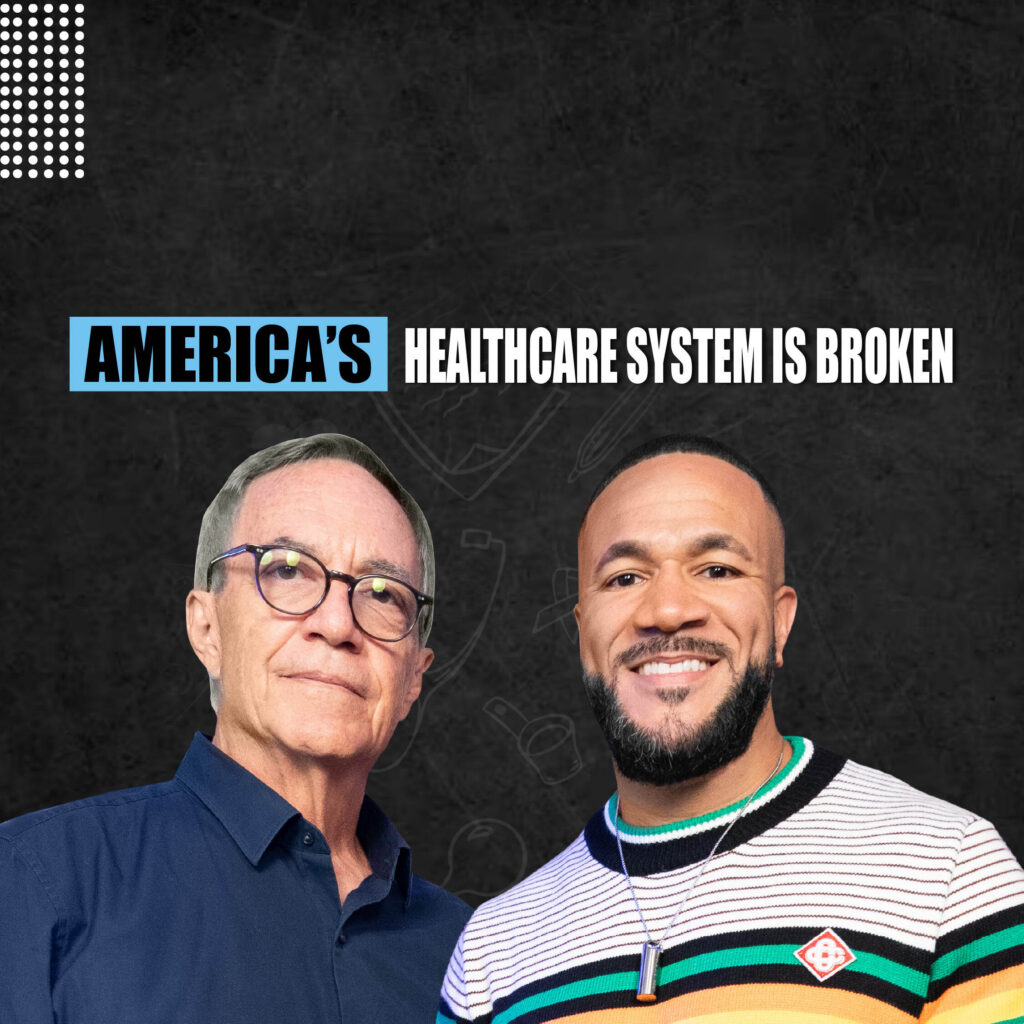
A Career Inspired by One Family Member
Dr. Ricordi’s path into medicine wasn’t part of a family tradition. Raised in Italy, he grew up surrounded by music. The Ricordi family has long been associated with some of history’s greatest composers, yet science captured his imagination from an early age.
He once planned to study astrophysics. Everything changed when a young cousin was diagnosed with Type 1 diabetes.
Rather than pursuing the mysteries of space, he turned his attention to one of medicine’s greatest challenges. What began as a promise to help cure diabetes eventually became a lifelong mission, one that has now spanned more than forty years.
Changing the Future of Diabetes Treatment
During his career, Dr. Ricordi developed the Ricordi Chamber, a breakthrough technology that transformed the way insulin-producing islet cells are isolated from the pancreas. That innovation made islet cell transplantation a practical possibility and helped establish regenerative medicine as a growing field of research.
Although significant progress has been made, he doesn’t describe the work as finished.
Instead, he compares scientific progress to running the bases in baseball. Researchers have made it to third base, he explained, but the home run is still ahead. The ultimate goal is to provide effective treatment without lifelong anti-rejection medications while creating an unlimited supply of healthy insulin-producing cells for people living with Type 1 diabetes.
The Real Problem Isn’t Money
One of the interview’s most memorable moments came when Dr. Ricordi challenged a common assumption about American healthcare.
He argued that the country’s biggest obstacle isn’t a lack of funding.
It’s the way the system has been built.
The United States spends more on healthcare than any other nation, yet continues to struggle with chronic disease. To Dr. Ricordi, that isn’t evidence that medicine has failed. Instead, it suggests that too much attention is placed on treating illness after it appears and too little on preventing it from happening at all.
He isn’t suggesting hospitals, surgeries, or medications are unnecessary. Those will always have an important place in medicine.
His point is simpler: waiting until someone becomes seriously ill is an expensive strategy, for both patients and the healthcare system.
Looking for Disease Before Symptoms Appear
Throughout the discussion, Dr. Ricordi returned to one idea again and again: risk factors often develop long before disease does.
Take Type 2 diabetes.
Many people live with insulin resistance for years without realizing it. During that time, damage quietly continues even though they may feel perfectly healthy.
By identifying those risks earlier, physicians have an opportunity to change the outcome before the disease becomes established.
That philosophy forms the foundation of what Dr. Ricordi calls Healthspan Engineering, an approach built around four principles: predicting disease, intervening early, treating those who become ill, and helping patients stay healthy after recovery.
Healthspan Matters More Than Lifespan
Longevity has become one of healthcare’s biggest buzzwords, but Dr. Ricordi thinks the conversation often misses the point.
Living longer isn’t necessarily living better.
He encourages people to focus instead on healthspan, the years spent active, independent, mentally sharp, and free from chronic disease.
If those healthy years increase, a longer lifespan often follows naturally.
It’s a subtle difference, but an important one. Most people don’t dream of simply reaching one hundred years old. They hope to enjoy those years with energy, mobility, and purpose.
Food Is Part of the Conversation
Dr. Ricordi believes improving public health requires taking a closer look at the food system itself.
He spoke about ultra-processed foods, environmental contaminants, pesticides, and the quality of animal feed, arguing that these factors influence long-term health in ways many consumers rarely consider.
Rather than encouraging fear, he called for greater transparency. People deserve to understand how food is produced so they can make informed choices about what they bring home to their families.
Why Trust Matters
Whether discussing nutrition, new therapies, or public health decisions, Dr. Ricordi believes people are far more likely to trust science when information is shared openly, even when researchers don’t yet have every answer.
For him, honest communication isn’t separate from good medicine.
It’s part of good medicine.
The conversation also touched on Dr. Ricordi’s unexpected invitation to be considered for the position of FDA Commissioner. Regardless of titles or positions, he said his goal remains the same: helping modernize healthcare so promising therapies can reach patients more efficiently while maintaining scientific integrity and patient safety.
That outlook reflects the larger message of the interview.
Medical innovation isn’t only about discovering new treatments. Sometimes it’s about asking better questions.
What if doctors could identify disease years earlier? What if healthcare rewarded prevention as much as treatment? What if success wasn’t measured only by survival, but by how many healthy years people were able to enjoy?
Those questions don’t come with easy answers, but they offer a different way of thinking about the future.
After decades spent pioneering advances in transplantation and regenerative medicine, Dr. Camillo Ricordi remains convinced that medicine’s greatest opportunity still lies ahead. The challenge isn’t simply helping people live longer. It’s helping them stay healthier for more of the life they already have.