A few years ago, the idea of using artificial intelligence to look inside the heart sounded like science fiction. Today, it is becoming a reality.
And according to Dr. James Min, that reality could save lives.
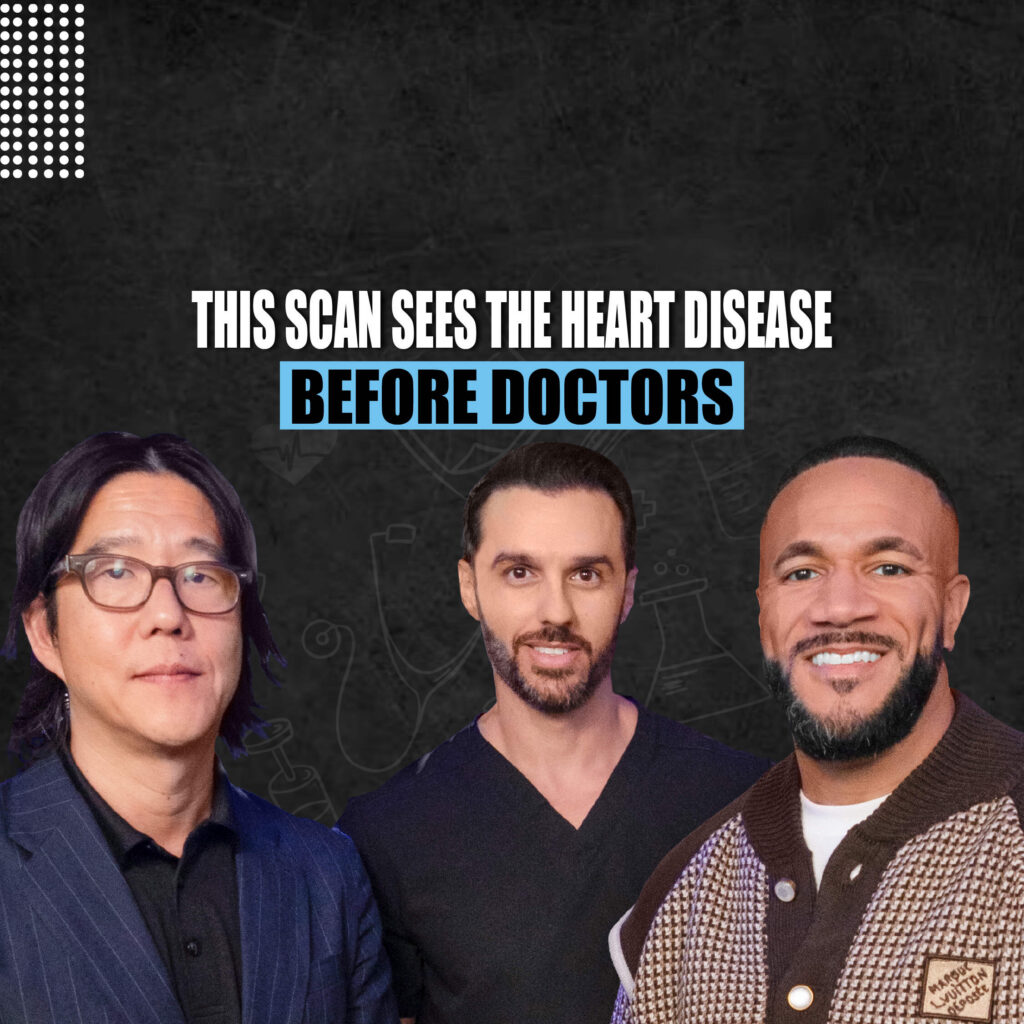
Dr. Min, the founder of Cleerly, joined Sam Tejada, CEO and Founder of Liquivida®, on “A Healthy Point of View” alongside Humberto Carrión of 3T Radiology for a conversation about a problem that affects millions of people but often remains hidden until it’s too late: heart disease.
The discussion wasn’t just about technology. It was about timing.
“People think they’ll know when something is wrong,” Sam said during the episode. “But that’s not always how heart disease works.”
In fact, that’s one of the biggest misconceptions surrounding cardiovascular health.
Many heart attacks occur in people who never experienced warning signs.
No chest pain. No shortness of breath. No obvious symptoms.
Just a sudden event.
For Dr. Min, those stories are far too common.
He spoke about individuals who appeared healthy on the outside, people who exercised regularly, maintained busy lifestyles, and believed they were doing everything right. Yet hidden inside their arteries was plaque that had been building for years.
Sometimes decades.
A High School Experience That Changed a Career
For Humberto Carrión, prevention became personal long before he entered the imaging field.
As a teenager, he worked at McDonald’s while balancing sports and school. Looking back, he laughs about the amount of fast food he consumed.
At the time, he didn’t think much of it.
Then he went for a routine physical. The bloodwork told a different story.
His cholesterol was elevated. Glucose levels were concerning. Inflammation markers were moving in the wrong direction.
The results surprised him.
“I was active. I felt fine,” Carrión recalled. “I thought I was healthy.”
That experience would eventually shape the rest of his professional life.
Today, as the founder of 3T Radiology, he spends much of his time helping patients uncover health problems before they become emergencies.
The Problem With Traditional Care
Modern medicine does many things exceptionally well.
Trauma care. Emergency medicine. Surgery.
But when it comes to chronic disease, the healthcare system has often focused on treatment rather than prevention.
The typical pattern is familiar.
A patient develops symptoms. Tests are ordered. A diagnosis follows.
The challenge, Dr. Min explained, is that coronary artery disease frequently develops in silence. By the time symptoms appear, significant disease may already exist.
That’s why he believes medicine needs to move upstream.
Instead of waiting for the disease to announce itself, physicians now have tools capable of identifying problems earlier.
Much earlier.
Seeing What Was Once Invisible
Dr. Min founded Cleerly after spending years researching coronary artery disease and cardiac imaging.
His goal was straightforward: stop guessing.
Rather than estimating risk based solely on age, cholesterol numbers, or family history, Cleerly analyzes coronary CT scans using artificial intelligence to identify and measure plaque directly inside the arteries.
For patients, the information can be eye-opening.
Many discover plaque despite feeling perfectly healthy.
Others learn that their arteries are in better condition than expected.
Either way, the conversation changes.
Instead of asking, “What might happen?” physicians and patients can begin discussing what is actually there.
And according to Dr. Min, that’s where prevention truly begins.
Not Every Plaque Deposit Is Dangerous
One point that surprised Sam during the discussion involved the different types of plaque.
Most people think of plaque as a single problem.
It isn’t.
Some plaque is relatively stable. Other forms are considered vulnerable and far more likely to rupture.
Those ruptures can trigger heart attacks.
Artificial intelligence now allows clinicians to distinguish between these plaque types with a level of detail that was previously unavailable in routine practice.
That information can help guide treatment decisions and, in some cases, identify high-risk patients before disaster strikes.
Technology Matters. So Does Lifestyle.
Despite the excitement surrounding artificial intelligence, all three men agreed on one thing: technology is only part of the equation.
Exercise still matters.
Sleep still matters. Nutrition still matters. Stress management still matters.
Dr. Min shared stories of patients who made significant lifestyle changes after learning they had coronary plaque. Some improved their health dramatically through consistent changes in diet, physical activity, and daily habits.
The common thread was awareness.
Once people knew what was happening inside their bodies, many became far more motivated to take action.
Looking Ahead
By the end of the conversation, one message stood out.
The future of cardiovascular care may not be about treating heart attacks.
It may be about preventing them altogether.
For Sam Tejada, Dr. James Min, and Humberto Carrión, that’s the ultimate goal: finding disease early, giving patients actionable information, and helping people stay healthy long before symptoms ever appear.