When people talk about regenerative medicine, the focus usually goes straight to stem cells, exosomes, joint repair, or anti-aging treatments. Those topics sound exciting, and they are, but they often miss something far more fundamental that sits underneath all of it: the immune system.
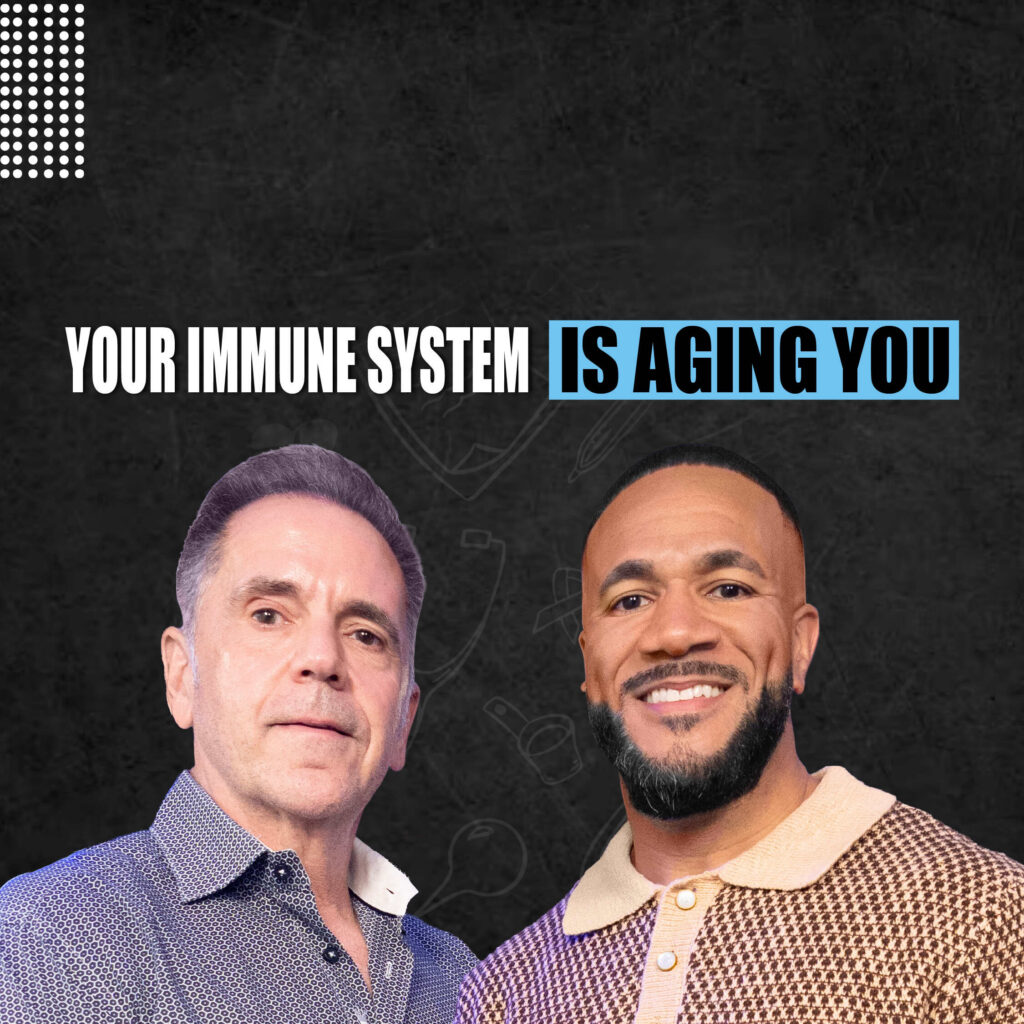
On a recent episode of “A Healthy Point of View” podcast, Sam Tejada, CEO and Founder of Liquivida®, sat down with researcher and scientist Dr. Rafael Gonzalez, PhD. Their conversation didn’t just stay on regenerative medicine. It moved into how the immune system quietly shapes almost every part of our health, how aging actually works, and why so many chronic diseases seem connected at the root.
What stood out most was a simple idea: if the immune system isn’t working properly, nothing else really works the way it should.
The Immune System Secret That Could Change How You Age | Dr. Rafael Gonzalez | Ep. 144
A Different Kind of Journey Into Science
Dr. Rafael Gonzalez didn’t follow a straight academic path.
He was born in Brooklyn to Cuban parents and later moved to California as a teenager. Like many young people figuring things out, he didn’t take the traditional school route. Instead of finishing high school normally, he earned his GED and joined the U.S. Army.
He served as a combat engineer and demolition specialist. The military shaped his discipline and mindset in a way that would stay with him long after he left.
After his service, he moved into business, sales, and real estate, and did well financially. But everything shifted when he suffered a spinal injury. That experience forced him to think differently about health, healing, and the human body.
Instead of staying in business, he went back to school, studied biology at the University of California, Irvine, and eventually completed a PhD focused on immune responses in spinal cord injuries.
That injury basically redirected his entire life toward understanding how the body actually heals itself.
Regenerative Medicine Isn’t Magic
Regenerative medicine often gets talked about like it can fix almost anything. But Dr. Gonzalez was pretty clear about this: it’s powerful, but it’s not magic.
Not all treatments are the same, even if they fall under the same label. Two “stem cell” or “exosome” therapies can work very differently depending on what’s actually inside them and how they interact with the body.
The key, he explained, is not the label; it’s the biological signals and how they match the patient’s condition.
In other words, timing, context, and the actual biology matter far more than marketing terms.
When used correctly, these therapies can support healing and reduce inflammation. But they still need to be matched properly to the person and the problem.
Why Science Takes So Long to Reach Patients
One part of the conversation that really stood out was how long it takes for medical research to become a real treatment.
Dr. Gonzalez shared that some of the earliest stem cell research he worked on for spinal cord injuries started over 20 years ago, and some of it still hasn’t fully reached clinical use.
The reason is simple but frustrating: the process is slow and expensive. Before anything reaches patients, it has to go through years of testing for safety, consistency, and effectiveness. Clinical trials can cost millions and take a very long time.
These rules exist to protect people, but they also slow down innovation.
Some countries, like Japan, have experimented with faster pathways for regenerative therapies once early safety is proven. It’s an ongoing balance between moving science forward and making sure patients aren’t put at risk.
The Immune System Isn’t Just About Getting Sick
Most people think about the immune system when they have a fever or infection. But Dr. Gonzalez emphasized something bigger, it’s involved in almost everything.
It doesn’t just fight viruses. It clears damaged cells, responds to inflammation, monitors abnormal cell growth, and supports healing throughout the body.
In his view, every disease has an immune component in some way.
Whether it’s Alzheimer’s, heart disease, autoimmune conditions, or chronic inflammation, the immune system is always part of the picture, even if we don’t fully understand how yet.
This is why a lot of modern research is shifting toward immune-focused approaches instead of just treating symptoms.
Inflammation That Doesn’t Go Away
A big concept discussed in the episode was “inflammaging.”
It sounds technical, but it’s actually simple: it refers to the low-grade inflammation that builds up as we age and doesn’t fully switch off.
Unlike short-term inflammation from an injury or infection, this type can quietly stick around for years.
The immune system is supposed to balance two roles: one that attacks threats and another that repairs the body. Problems start when that balance breaks down.
If inflammation stays switched on for too long, the body slowly wears down. Over time, this can contribute to heart disease, brain decline, metabolic issues, and many other age-related conditions.
Interestingly, people who live exceptionally long lives often seem to have better control over this inflammatory balance.
Three Things That Still Matter Most
Despite all the advances in medicine, Dr. Gonzalez kept coming back to basics. Not supplements, not high-tech therapies, but everyday habits.
Food
A large part of the immune system is connected to the gut. That means what you eat really does matter more than most people think.
Highly processed food, too much sugar, and poor nutrition put extra stress on the immune system. Over time, that adds up.
Whole, nutrient-rich food helps lower inflammation and keeps immune responses more stable.
Movement
Exercise isn’t just about fitness or weight. It also helps immune cells move through the body more efficiently.
When you stay active, circulation improves, oxygen delivery increases, and the body becomes better at detecting and dealing with problems.
Sleep
Sleep might be the most underrated part of health.
At night, the body isn’t just resting, it’s repairing tissues, regulating hormones, and clearing waste from the brain.
When sleep is consistently poor, inflammation rises and immune function drops. Over time, this speeds up aging at a biological level.
Can We Actually Slow Aging?
The idea of “biological age” has become very popular lately. Some companies even claim they can measure it or track reversal.
Dr. Gonzalez was careful here. He didn’t dismiss it completely, but he also didn’t fully trust how precise those tests are.
Things like stress, sleep, alcohol, and even a bad week can shift results quite a bit. So the numbers aren’t always stable.
Instead of focusing on chasing a younger number, he suggested focusing on what consistently works: good food, regular movement, solid sleep, and stress control.
The goal isn’t to obsess over age metrics; it’s to create a body environment that supports long-term health.
Where Medicine Is Headed
Looking ahead, Dr. Gonzalez sees a lot of promise in immune-based therapies and regenerative medicine. As science gets better at understanding inflammation and cellular communication, treatments will likely become more precise and more effective.
But he also made one thing clear: no treatment can fully compensate for a poor lifestyle.
Medicine can support the body. It can enhance recovery and slow disease progression. But it can’t replace the basics.
The immune system is at the center of everything.
When it’s balanced, the body knows how to heal, protect itself, and recover. When it’s not, problems start to build quietly over time.
Regenerative medicine may continue to evolve rapidly, but the foundation of health still comes down to how we live day to day, what we eat, how we move, how we sleep, and how we manage stress.
Longevity isn’t just about adding more years. It’s about giving the body what it needs to actually function well through those years.