

We’ve been taught to recognize abuse in very specific ways. Bruises. Screaming. Something loud, visible, undeniable.
But the truth is, a lot of abuse doesn’t look like that at all. It doesn’t start with pain; it starts with connection. With someone who feels right. Safe. Almost too good to be true.
And that’s exactly why people don’t see it coming.
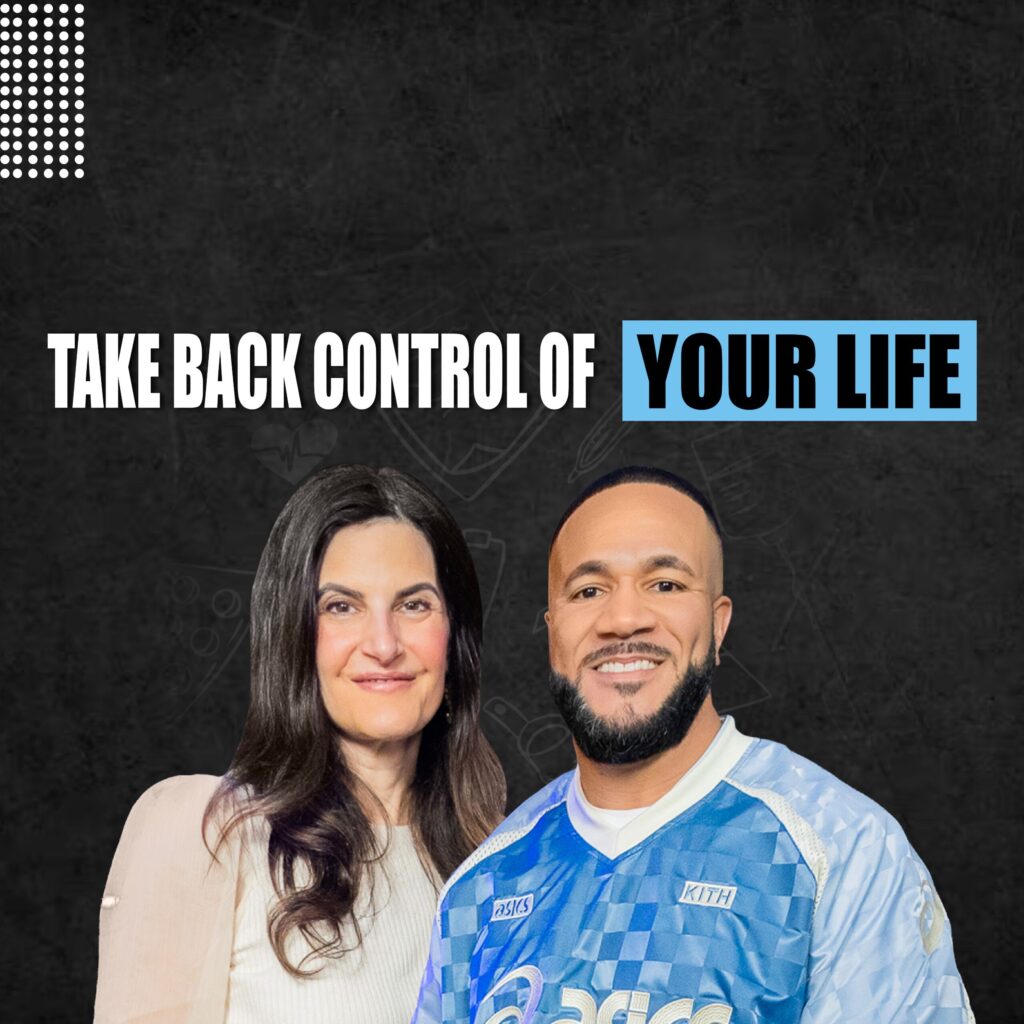
In a recent conversation on “A Healthy Point of View” podcast, Sam Tejada, CEO and Founder of Liquivida®, sat down with Dr. Christine Cocchiola to talk about something most people don’t fully understand: coercive control. Not just what it is, but how it quietly takes over a person’s life.
Self-Awareness Changes Everything in Your Life & Relationships! Dr. Christine Cocchiola | Ep. 131
It Doesn’t Start the Way You Think
One of the most uncomfortable parts of this conversation is realizing that abusive relationships don’t begin as abusive.
They begin with attention. Effort. Consistency.
Sometimes it even feels like you’ve met someone who finally “gets you.”
There’s a reason for that.
As Dr. Christine explains, this isn’t random behavior. There’s a pattern to it. A slow build. Nothing extreme enough to make you walk away early on, but just enough, over time, to shift how you think, what you tolerate, and how much of yourself you start giving up.
You don’t notice it happening while you’re in it.
So What Is Coercive Control?
Most people associate abuse with something physical. Coercive control is different.
It’s not about one moment. It’s about repetition.
It’s the kind of behavior that slowly chips away at your independence without making a big scene. You’re still functioning, still going about your life, but something feels off, and you can’t quite explain why.
It might look like:
- Being questioned constantly until you start second-guessing yourself
- Feeling guilty for wanting time with friends or family
- Having to explain your spending, your schedule, your decisions
- Conversations that somehow always turn into your fault
- Feeling like it’s easier to just agree than argue
None of these things, on their own, seems extreme. Together, they change everything.
Why People Stay (Even When It Gets Bad)
From the outside, it’s easy to ask, “Why didn’t they leave?”
But that question misses what’s actually happening inside the relationship.
Because it’s not all bad. There are good moments. Really good ones. Enough to make you think things can go back to how they were in the beginning. Enough to keep you hoping.
And then there’s the confusion. You start wondering if maybe you’re overreacting. Maybe you misunderstood. Maybe it’s not as serious as it feels.
That’s not an accident; that’s part of the control.
Over time, you stop trusting your own judgment. And once that happens, leaving doesn’t feel simple anymore.
The Part That Gets Even Harder: Children
Things become even more complicated when kids are involved.
What Dr. Christine shared about this is honestly one of the hardest parts to hear.
In some cases, children get pulled into the dynamic. Not just exposed to it, but used within it.
They might be told things about the other parent that aren’t true. They might feel pressure to take sides. They might sense tension they don’t understand, but still absorb.
And the damage from that doesn’t just go away with time.
It affects how they form relationships, how they trust people, and how safe they feel in their own world.
The Moment You Realize Something Isn’t Right
For a lot of people, there isn’t one big moment where everything becomes clear.
It’s smaller than that.
A comment that doesn’t sit right. A reaction that feels out of proportion. A pattern you can’t ignore anymore.
And then this quiet realization starts to form: this isn’t normal.
That moment matters. Because once you see it, you start paying attention in a different way.
Can It Be Fixed?
This is where people want a hopeful answer.
But the honest answer isn’t always comforting.
Change requires awareness, accountability, and real effort. And in these types of relationships, that combination is rare.
There might be apologies. Promises. Even a temporary change. But if the underlying behavior doesn’t shift, the cycle repeats.
That’s the part people struggle with accepting that what they’re hoping for might not actually happen.
What Healing Actually Looks Like
Getting out is one thing. Feeling like yourself again is something else entirely.
There’s usually a period where everything feels unfamiliar, even freedom.
You might still question your decisions. Still feel anxious. Still hear that internal voice telling you you’re wrong.
That doesn’t mean you made a mistake. It means you’re undoing something that took time to build. Healing isn’t fast. But it is possible.
For some people, it comes from rebuilding their routine. For others, it’s reconnecting with people they lost along the way. And for many, it’s simply learning to trust themselves again.
What This Really Comes Down To
Not all abuse looks the way we expect it to. And that’s exactly why it continues.
The more we understand the quieter forms of control, the ones that don’t leave visible damage, the better chance people have of recognizing it early.
Because the earlier you see it, the easier it is to step away from it.
And sometimes, that awareness alone can change the entire direction of someone’s life.