Most parents don’t wake up intending to lose their patience.
They don’t plan on yelling. They don’t want to repeat the same reactions they remember from their own childhood. Yet somewhere between a long workday, mounting responsibilities, and a child who refuses to listen, many find themselves saying the very things they once promised they never would.
Why does that happen?
That question became the heart of a recent episode of “A Healthy Point of View” podcast, where Sam Tejada, CEO and Founder of Liquivida®, welcomed child behavior expert and bestselling author Bryan Post for a conversation that challenged many of the beliefs people have about parenting. Rather than focusing on discipline techniques or quick fixes, the discussion explored something much deeper: how our own life experiences quietly shape the way we respond to the people we love most.
The Childhood Trauma Most Parents Never Realize They’re Passing Down | Bryan Post | Ep. 158
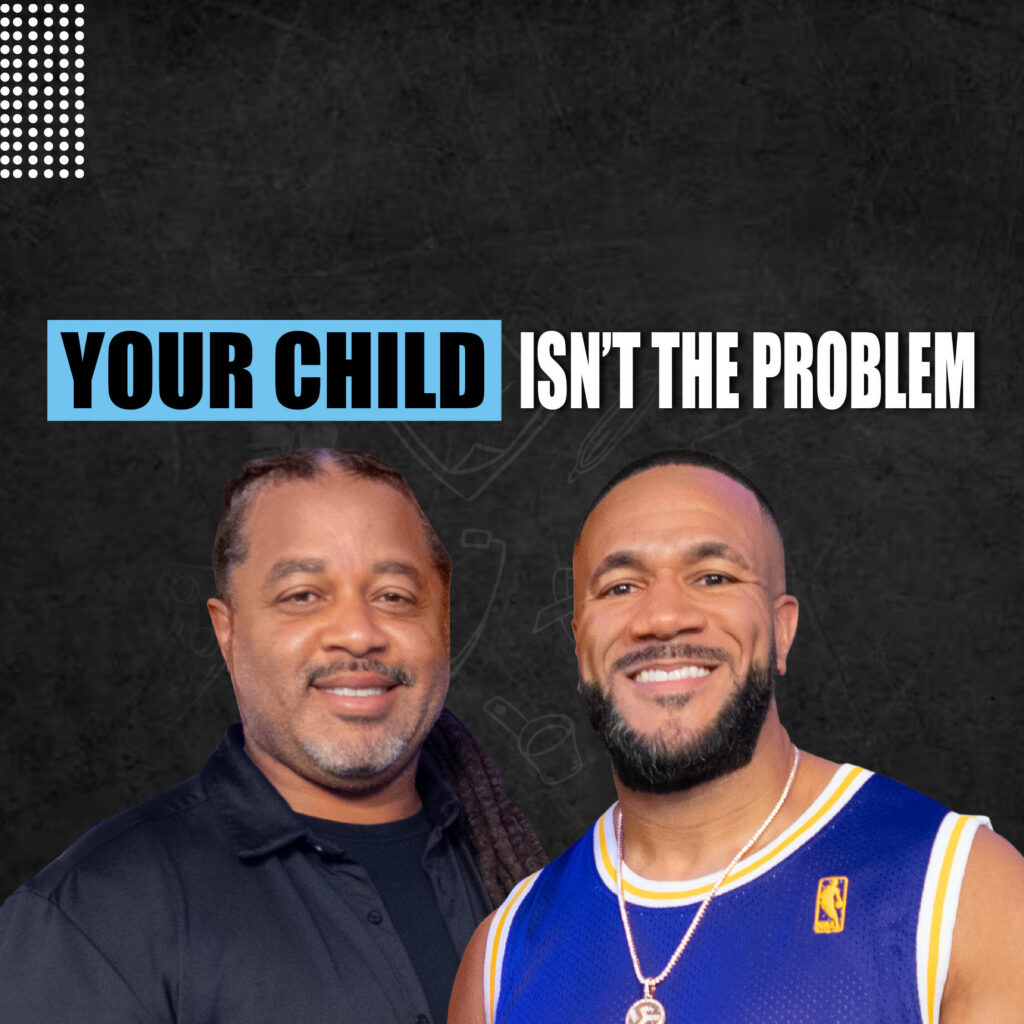
Bryan didn’t begin by talking about parenting. He began with himself.
He shared that he was adopted as an infant and only connected with his biological mother years later. Learning the circumstances surrounding his birth changed the way he looked at human behavior. It also sparked a lifelong curiosity about how early experiences influence people long before they have memories of them.
That personal journey eventually led him to spend decades working with children who had experienced severe trauma through foster care and adoption. Again and again, he noticed something that challenged conventional thinking.
The children weren’t trying to be “bad.” Many were overwhelmed.
Looking Beyond the Behavior
It’s easy to focus on what we can see. A child refuses to listen. Another throws a tantrum in the grocery store. Someone slams a bedroom door.
Most adults instinctively think about consequences. That’s how many of us were raised.
Bryan understands that mindset because it was part of his own childhood.
Growing up in rural Oklahoma during the 1970s, physical discipline wasn’t unusual. He remembered riding in the family car with his sister, who struggled to sit still whenever the family went somewhere exciting. His father would tell her to settle down. She couldn’t regulate herself the way Bryan could, and before long she would be punished again.
Years later, Bryan looked back at those moments differently.
His father wasn’t trying to be cruel. He was exhausted, stressed, and parenting the only way he knew how.
The punishment didn’t solve the problem, though. It simply became another stressful memory that everyone in the family carried with them.
That realization changed the direction of Bryan’s work.
Instead of asking why children misbehave, he encourages parents to ask a different question altogether.
What might this child be feeling right now?
Sometimes the behavior is only the visible part of a much bigger story.
We Parent With More Than Good Intentions
During the interview, Sam reflected on his own upbringing. His parents worked hard. They stayed together. They loved their family.
Still, he noticed something after getting married.
His wife’s relationship with her parents felt different. There was an ease between them that he hadn’t experienced growing up.
Bryan didn’t suggest that one family got it right while the other got it wrong. Instead, he pointed out something most people rarely stop to consider.
Parents don’t raise children in isolation. They’re bringing their own childhood into every conversation, every disagreement, every stressful afternoon.
The way someone was comforted, or wasn’t. The way mistakes were handled. The affection they received. The fears they carried.
Those experiences don’t disappear simply because someone becomes an adult. They quietly influence how people react under pressure.
Bryan believes the first step isn’t blaming previous generations. It’s noticing the patterns.
Once people become aware of them, they have the freedom to choose something different.
Stress Changes Everything
One theme kept coming up throughout the conversation. Stress.
Bryan described it as the invisible force behind many parenting struggles.
Think about how different you feel after a restful weekend compared to the end of an exhausting week.
Your patience changes. Your tone changes. Even small problems feel bigger than they really are.
According to Bryan, children experience something similar. When they’re emotionally overwhelmed, their ability to process information and regulate their emotions becomes much more difficult.
The same thing happens to adults. That’s why arguments often escalate so quickly. Nobody is thinking clearly anymore. Instead of responding thoughtfully, everyone is reacting.
A Deep Breath Can Change the Direction of a Conversation
Sam asked Bryan what parents can actually do when they feel themselves getting overwhelmed.
His answer wasn’t complicated.
Stop. Breathe. Not because breathing magically solves problems, but because it gives the brain a chance to slow down before emotions take over.
Sam immediately related that idea to his years working in emergency services. In dangerous situations, firefighters aren’t taught to panic. They’re trained to stay calm because calm people make better decisions.
Bryan believes families work the same way. Children don’t always need immediate solutions. Sometimes they simply need one adult in the room who isn’t reacting from fear.
The Home Children Remember
One of the strongest moments in the conversation came when Bryan described love not as an emotion but as something children experience through everyday interactions.
A child falls and gets hurt.
One response is panic, anger, or blame. Another response is comfort. Listening. Helping them feel safe before teaching the lesson.
The difference may only last a few minutes, but moments like those quietly shape how children understand themselves and the world around them.
It’s not about being perfect. Every parent loses their patience sometimes. Bryan isn’t asking families to pretend those moments won’t happen.
He’s asking them to notice what happens afterward.
Do we reconnect? Do we apologize? Do we slow down long enough to understand what really happened?
Those small choices matter more than most people realize.
Raising Healthy Children Starts With Caring for Yourself
The discussion also moved beyond parenting itself.
Bryan believes emotional health and physical health are deeply connected.
When people are constantly tired, overwhelmed, eating poorly, or living under chronic stress, staying patient becomes much harder. That’s why he encourages parents to take their own well-being seriously.
Simple habits like regular movement, nutritious food, quality sleep, mindful breathing, and moments of quiet aren’t luxuries reserved for people with extra time.
They’re investments in how we show up for the people around us.
Children don’t only hear our words. They feel our energy.
What About Phones?
Modern parenting comes with challenges previous generations never faced. Screens are everywhere. Children spend hours on phones and tablets, but Bryan gently turned the conversation back toward adults.
Kids usually notice what parents do more than what parents say. If adults spend every free moment scrolling through their own phones, children naturally assume that’s normal.
Instead of making every conversation about screen limits, Bryan suggested replacing technology with connection whenever possible.
Go outside. Play basketball. Take a walk. Cook dinner together. Sit on the porch and talk.
Those moments often leave a deeper impression than another argument about putting a phone away.
A Better Question
Bryan shared a habit he believes can help almost every parent.
After a difficult moment, ask yourself one question: Do I feel good about how I handled that?
Not because parenting is a test. Not because anyone gets it right every time.
But because honest reflection creates room for growth.
Children don’t need flawless parents. They need parents who are willing to learn.
That’s the message that stayed with Sam throughout the conversation, and it’s likely the one listeners will remember too.
Changing a family’s future rarely happens through one big decision.
More often, it starts with one calm breath, one thoughtful conversation, and one choice to respond differently than we did yesterday.