Yello Pain had every reason to believe he was on the right track.
He had dropped nearly 60 pounds, was exercising regularly, and felt proud of the changes he’d made. From the outside, it looked like a success story. Friends noticed the weight loss, his energy seemed better, and his career was gaining momentum. Like most people, he assumed that looking healthier meant he actually was healthier.
Then he decided to dig a little deeper.
During an episode of “A Healthy Point of View” podcast, Sam Tejada, CEO and Founder of Liquivida®, welcomed artist, activist, and storyteller Yello Pain and Winnergy founder Corey Jacobs for a conversation that wasn’t really about a book or even a podcast. It was about changing the way people think about their health before it’s too late.
For Yello, that lesson became personal the day comprehensive testing revealed problems he never saw coming.
Despite the weight loss, his results showed low vitamin D, concerning cholesterol levels, and signs that he was moving toward prediabetes. Nothing about the mirror had prepared him for that news.
“I realized feeling healthy and being healthy aren’t always the same thing,” he explained.
That realization eventually became the heartbeat of My Health Will Count, a book encouraging people to stop waiting until something breaks before paying attention to their bodies.
Why Young People Are Getting Seriously Sick Earlier Than Ever | Corey Jacobs & Yello Pain | Ep. 156
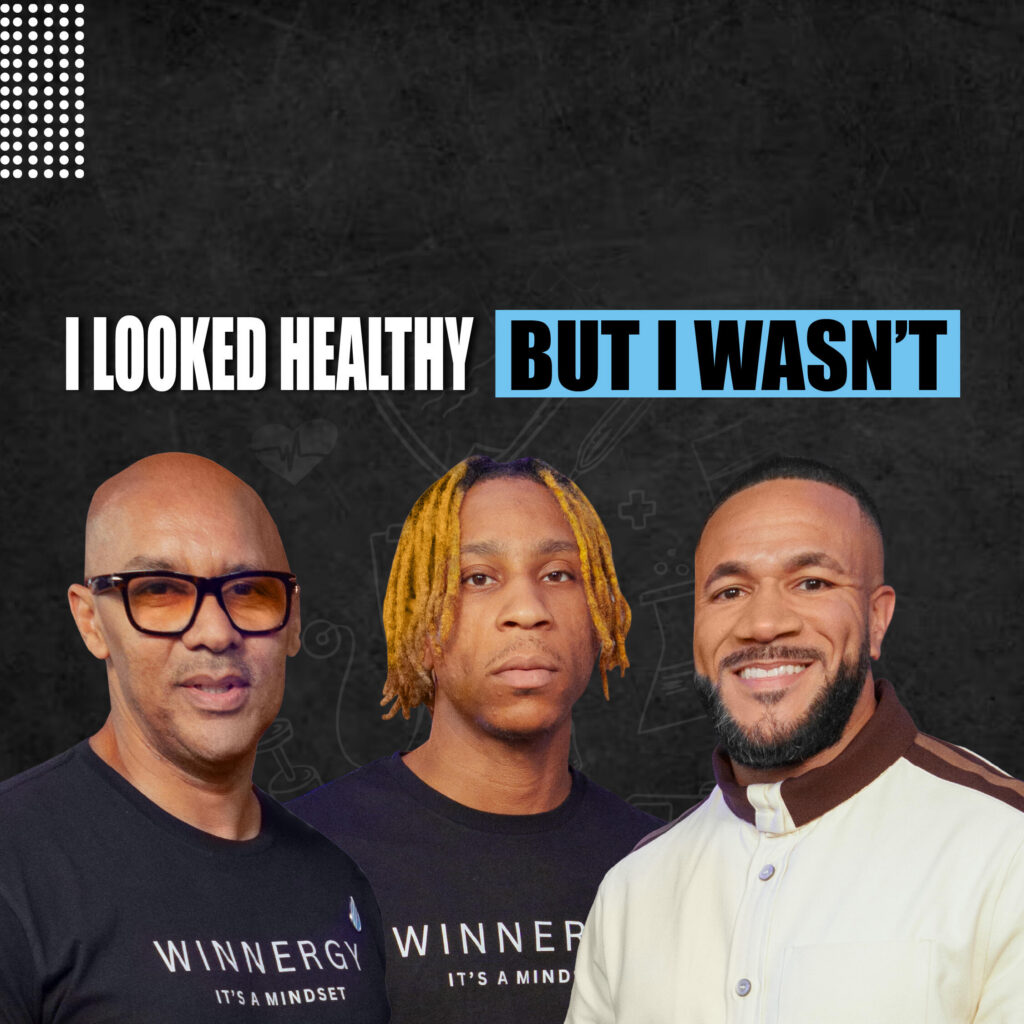
Looking Good Doesn’t Tell the Whole Story
Most people judge their health the same way they judge almost everything else: by what they can see.
If the number on the scale is dropping, that’s a good sign. If clothes fit better, even better. And if nothing hurts, it’s easy to assume everything is working the way it should.
Yello believed that too.
It wasn’t until he underwent more detailed testing that he discovered there were problems no mirror could reveal. Losing weight had improved one part of his health, but it hadn’t answered the bigger question: What was happening inside his body?
Sam said that’s the question more people should be asking.
He compared the body to a car. Most of us wouldn’t drive thousands of miles without checking the engine, changing the oil, or paying attention to warning lights. Yet many people go years without looking at their blood work or learning how their body is actually functioning.
By the time obvious symptoms appear, the problem has often been developing for years.
A Different Definition of Healthy
The conversation wasn’t about chasing perfection. It was about paying attention.
Yello shared one story that perfectly captured the difference.
Even after dropping the weight, he found himself winded walking up a short flight of stairs. It didn’t make sense. He was lighter than he’d been in years, but his body still wasn’t responding the way he expected.
That experience stuck with him.
Weight, he realized, is only one measurement. It says nothing about nutrient deficiencies, inflammation, metabolic health, or how well your body is actually performing.
Those are the things that don’t show up in selfies.
The more he learned, the more he understood why so many people are blindsided by health problems. They aren’t ignoring their health on purpose. They simply don’t know what they don’t know.
Why Wait Until Something Goes Wrong?
One question came up repeatedly throughout the discussion.
Why do people wait until they’re sick before they start caring about their health?
It’s a habit almost everyone falls into. Annual checkups get skipped because life gets busy. Blood work feels unnecessary if you’re not experiencing pain. Prevention becomes something you’ll think about later.
Later has a way of arriving faster than expected.
Yello spoke about friends whose lives changed almost overnight. One developed congestive heart failure in his twenties. Another ended up in a diabetic coma before reaching his thirties.
Those experiences forced him to rethink the idea that chronic illness is only an older person’s problem.
It isn’t.
The habits people build in their twenties often shape the health they’ll have decades later.
Making Health Part of the Conversation
Corey Jacobs believes information alone isn’t enough to create change.
People have to see themselves in the message.
That’s one reason he wanted Yello involved in this project. Before writing My Health Will Count, Yello had already built a following by taking subjects many people avoided and turning them into conversations that felt honest instead of preachy.
Whether he was talking about civic engagement or social issues, he had a way of making people stop and listen.
Corey believes health deserves the same treatment.
Medical research is important, but facts alone rarely inspire people to change. Stories do.
People remember stories because they recognize pieces of themselves in them.
Yello isn’t presenting himself as a doctor. He’s sharing what happened when he finally stopped assuming everything was fine and decided to find out for himself.
That vulnerability may be what makes his message resonate.
Health Looks Different Depending on Where You Grow Up
The conversation also explored how environment shapes everyday decisions.
Growing up, celebrating usually meant food. Fast food after a good day wasn’t unusual; it was normal. Nobody stopped to think about nutrition because survival came first.
Those habits don’t disappear overnight.
Yello recalled walking into a grocery store in his old neighborhood and finding an empty produce section sitting next to shelves packed with alcohol and processed foods.
The image stayed with him.
It’s difficult to make healthy choices when healthier options barely exist.
At the same time, he believes knowledge still matters. Once people understand what’s happening inside their bodies, they begin making different decisions whenever they have the opportunity.
Education doesn’t solve every problem, but it gives people a place to start.
The Conversation Doesn’t End With a Book
For Yello, My Health Will Count isn’t about pretending to have all the answers.
It’s an invitation to ask better questions.
How healthy am I really? What am I missing? What could I learn if I looked a little deeper?
Those questions changed his life.
He started this journey believing success meant losing weight. He came away realizing real health is far more complicated, and far more valuable.
The biggest lesson from the conversation was surprisingly simple.
Don’t wait for your body to get your attention. Pay attention while you still have the chance.
Because once you know what’s happening beneath the surface, you have something most people don’t: the opportunity to do something about it before it becomes a crisis.